 Business License

Mobile POS vs. Fixed POS: Which One Fits Your Business Best?
Choosing a POS system is a bit like choosing a car: the best option depends on how and where you use it. Some businesses need a stable, full-featured setup at a checkout counter. Others need the freedom to take payments anywhere.
That’s where mobile POS (mPOS) and fixed POS systems come in. Both process payments, but they are designed for very different business styles.
What Is a Fixed POS?
A fixed POS is the traditional countertop setup found in supermarkets, retail stores, and many restaurants. It usually includes a terminal, card reader, barcode scanner, receipt printer, and cash drawer, all connected at a permanent checkout station.
Best for
Retail stores
Supermarkets
Restaurants with a front counter
Businesses with high transaction volume
Key advantages
Stable and reliable for all-day use
Supports multiple peripherals (printers, scanners, drawers)
Fast processing for busy checkout lines
Often includes advanced inventory and reporting tools
Things to consider
Less flexible — it stays in one place
Requires dedicated counter space
Installation and setup can take longer
What Is a Mobile POS (mPOS)?
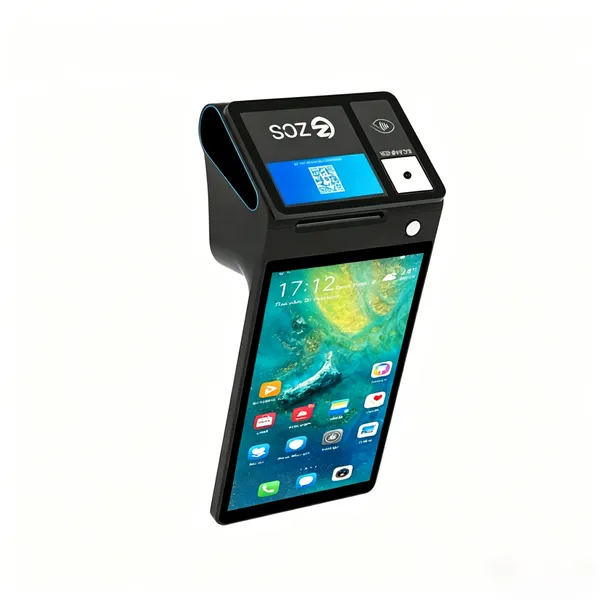
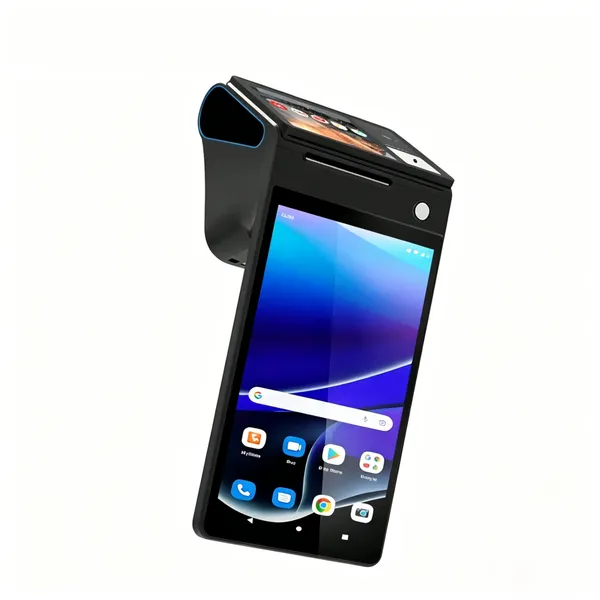
A mobile POS is a portable payment system, often built around a smartphone, tablet, or compact smart terminal. It connects via Wi‑Fi or mobile networks, allowing staff to take payments anywhere.
Best for
Restaurants and cafés with table service
Food trucks and pop-up shops
Delivery services
Market stalls and events
Small businesses needing flexibility
Key advantages
Portable and easy to carry
Speeds up service by bringing checkout to the customer
Lower upfront hardware cost
Quick setup and easy software updates
Things to consider
May rely on battery life and internet connectivity
Usually supports fewer accessories
Can be less ideal for very high-volume checkout environments

Which One Should You Choose?
Choose fixed POS if...
You have a permanent checkout location.
You process a large number of transactions daily.
You need full inventory control and multiple peripherals.
Your staff work mainly behind a counter.
Choose mobile POS if...
You need to take payments on the move.
You want to reduce queues by checking out customers anywhere in the store.
Your business operates at events, markets, or outdoor locations.
You prefer a simpler and more affordable setup.
A Hybrid Approach
Many modern businesses use both systems together. For example, a restaurant may have a fixed POS at the front counter and mobile POS devices for servers taking orders at tables. A clothing store might use mobile POS during busy sales periods to reduce checkout lines.
The Bottom Line
There’s no universal “best” POS system. Fixed POS excels in stability and high-volume operations, while mobile POS shines in flexibility and customer convenience.
The smartest choice is the one that matches how your business actually works — not just how payments are processed, but how your staff move, how customers shop, and how you plan to grow.
Recently Posted
-
The Role of POS Systems in Hotel Front Desk and Restaurant Management
June 17, 2026In the hotel industry, guest experience is everything. From check-in to dining to checkout, every interaction matter Read More
 -
How POS Systems Improve Order and Checkout Efficiency in Restaurants
June 17, 2026In a busy restaurant, speed and accuracy are everything. A delayed order or billing mistake can affect customer sati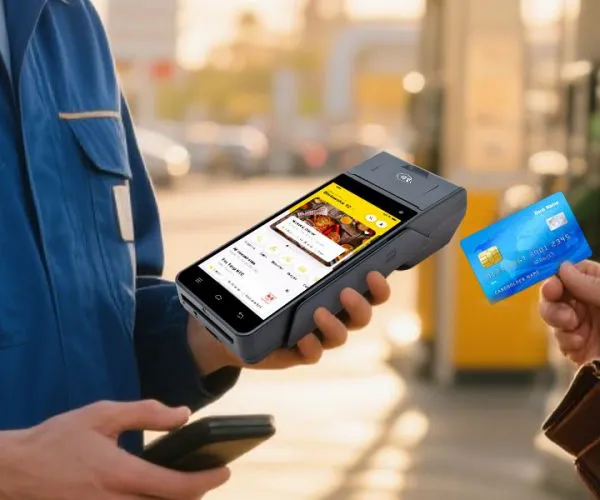 Read More
 -
How POS Systems Help Retailers Manage Inventory and Sales Efficiently
June 16, 2026In today’s fast-moving retail world, managing inventory and sales manually is no longer practical. Customers expect products to be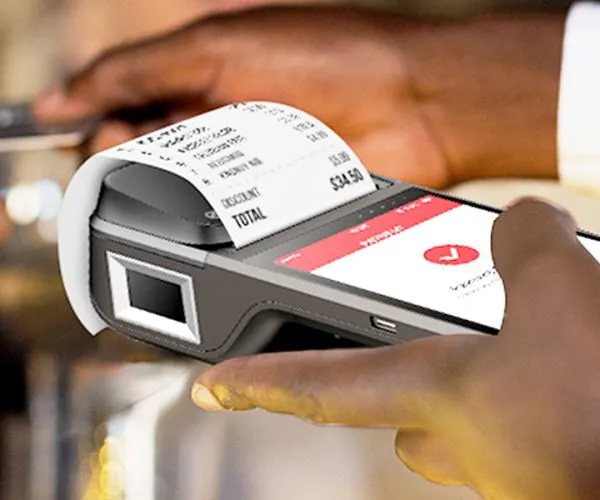 Read More
 -
Payment Options Explained: Cards, NFC, and QR Codes in Modern POS Machines
June 16, 2026Modern POS machines are like multilingual payment translators. Whether a customer inserts a card, taps a phone, or scans a QR code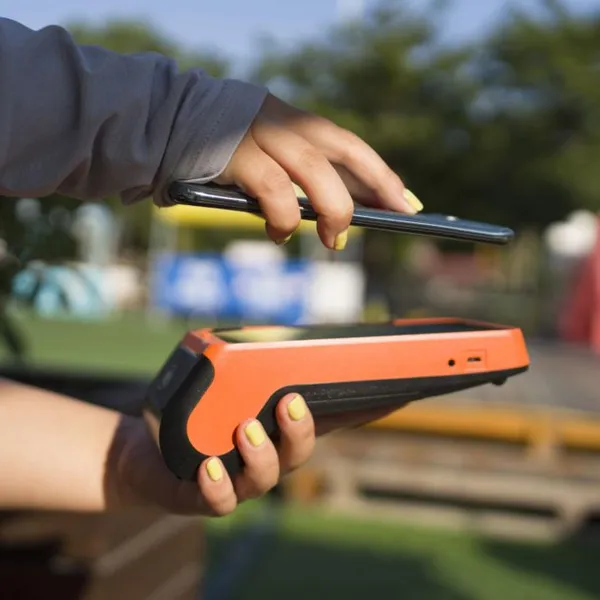 Read More

Contact Us
Recommended Products
-
 Z92P Secure Handheld Payment Terminal,Octa-Core Android POS With Dual SIM Slot,5MP Barcode Scanner Support Fiscal Module for Pharmacy & Kiosk CheckoutUS$ 219 - 260MOQ: 1 Unit
 -
Z92P Portable Biometric POS Cash Register,Built-in Palm Vein Recognition + Thermal Receipt Printer,4G LTE GPS BT for Food Truck & Convenience StoreUS$ 219 - 260MOQ: 1 Unit
-
Z92P Contactless Palm Vein Payment PDA,5.5 Inch HD Touch Screen,EMV PCI Certified MSR IC NFC Reader Compatible With Loyverse IREAP for Small BusinessUS$ 219 - 260MOQ: 1 Unit
-
Z92P Palm Vein Handheld POS Terminal, Android13 All-in-One Machine With 58mm Thermal Printer,NFC 1D/2D QR Scanner 4G WiFi for Retail & Gas StationUS$ 219 - 260MOQ: 1 Unit
-
Z108P Secure Palm Vein POS System,Dual SIM PSAM Slot Multi-Port Terminal,EMV CE FCC Certified for Large Retail & Catering BusinessUS$ 219 - 309MOQ: 1 Unit
-
All-in-One Desktop Biometric Payment POS,Optional Fiscal Module & Cash Drawer,58/80mm Selectable Thermal Printing for Beauty & Clothing Chain StoreUS$ 219 - 309MOQ: 1 Unit
-
Z108P Flagship Dual Display POS Cashier Machine,Palm Vein Authentication + 5MP QR Scanner,GMS Certified 4G WiFi BT for Pharmacy & Grocery MartUS$ 219 - 309MOQ: 1 Unit
-
Z108P Contactless Palm Vein Biometric POS Terminal,3GB+16GB Up to 4GB+64GB,5-in-1 Card Reader Multi RJ45 RJ11 Port for Supermarket RetailUS$ 219 - 309MOQ: 1 Unit
-
Z108P New Dual Screen Palm Vein Desktop POS,Android14 8 Inch Cash Register With Optional 80mm Auto-Cutter Thermal Printer NFC for Chain RestaurantUS$ 219 - 309MOQ: 1 Unit
-
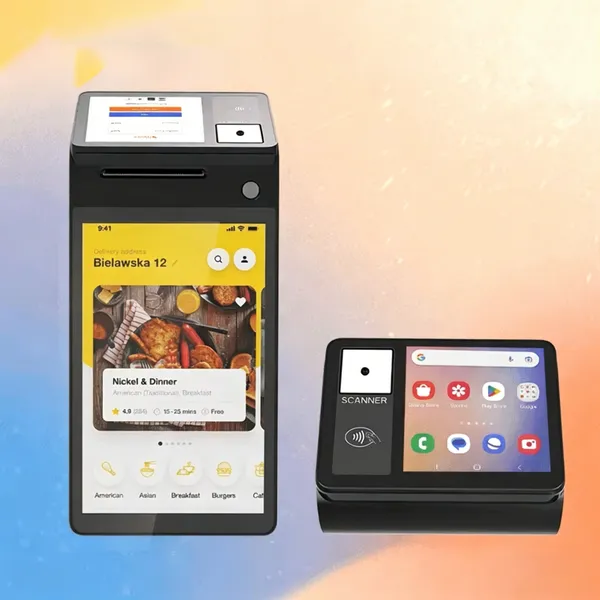
Z108 New Release Android POS Cash Register, Upgraded Thermal Printer 4GB+64GB Storage Wireless 4G POS Compatible With Global Retail POS SoftwareUS$ 219 - 369MOQ: 1 Unit
-
Marhynchus POS Receipt Printer Handheld Thermal Printer Thermal Printing 2GB 16GB WiFi BT 5.0 NFC 4G for Retail Stores Restaurants ZONS BrandUS$ 219 - 369MOQ: 1 Unit
-
POS Terminal Receipt Printer 2.26/3.95 Inch Customer Screen IPS HD 8 Inch Touch Screen Scanning Thermal Printing Handheld Mobile POSUS$ 219 - 369MOQ: 1 Unit
-
Generic Handheld POS Receipt Printer High Speed 58/80mm Thermal Printer for Efficient Operation, Ideal for Retail Shops,Warehouse ManagementUS$ 219 - 369MOQ: 1 Unit
-
Hard Case Compatible With Square Handheld - Portable POS - NFC Machine Point of Sale Card Reader Travel Case (Black) Z108US$ 219 - 369MOQ: 1 Unit
-
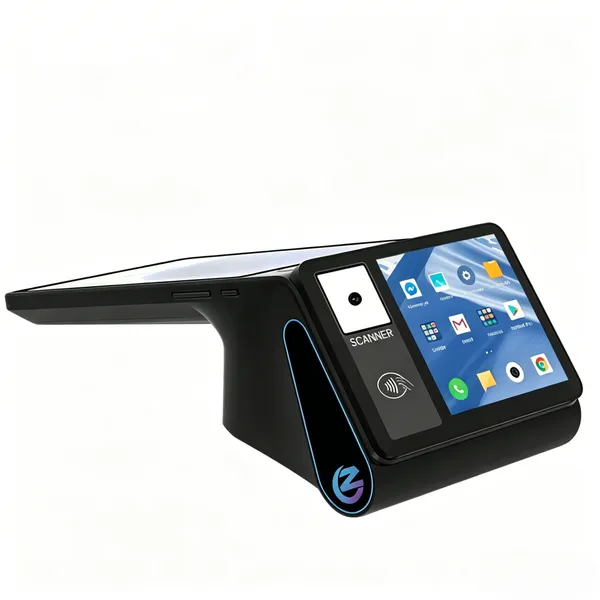
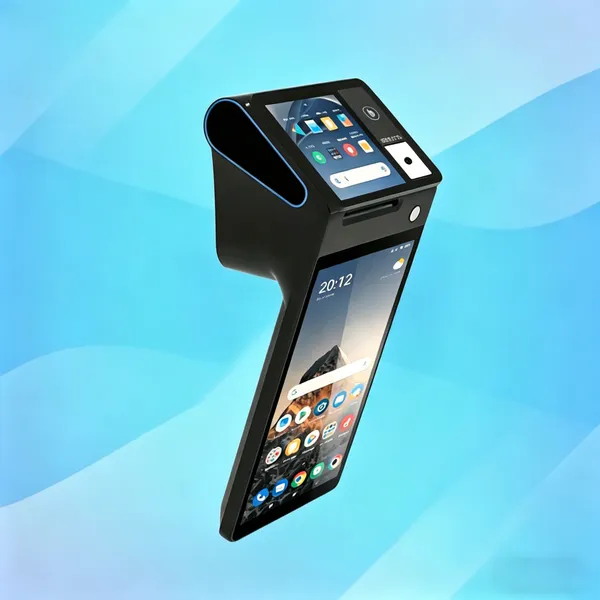
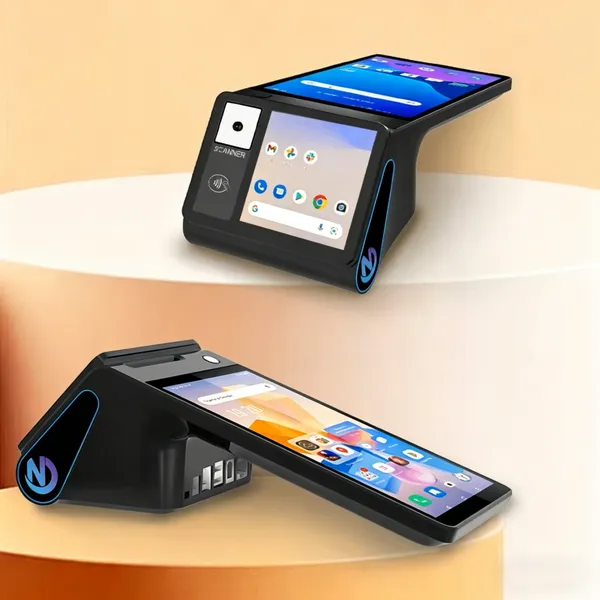
PDA Handheld POS Terminal, 4G WiFi BT Mobile Computer With NFC, 3600mAh Battery, for Warehouse Inventory Logistics Retail POS, Desktop POSUS$ 219 - 369MOQ: 1 Unit
-
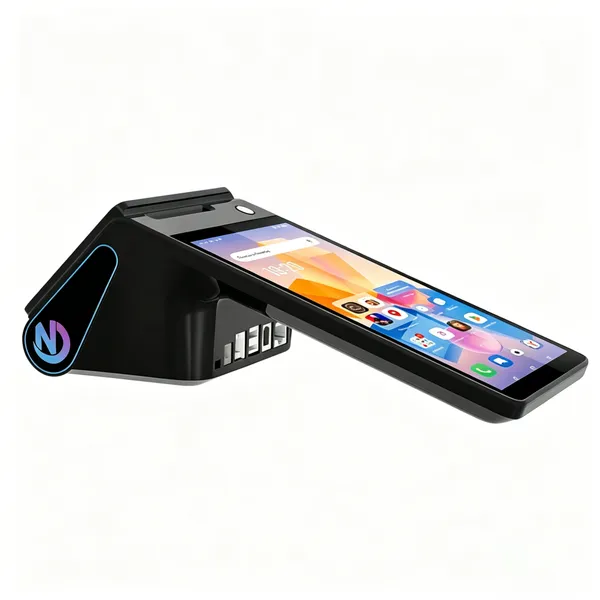
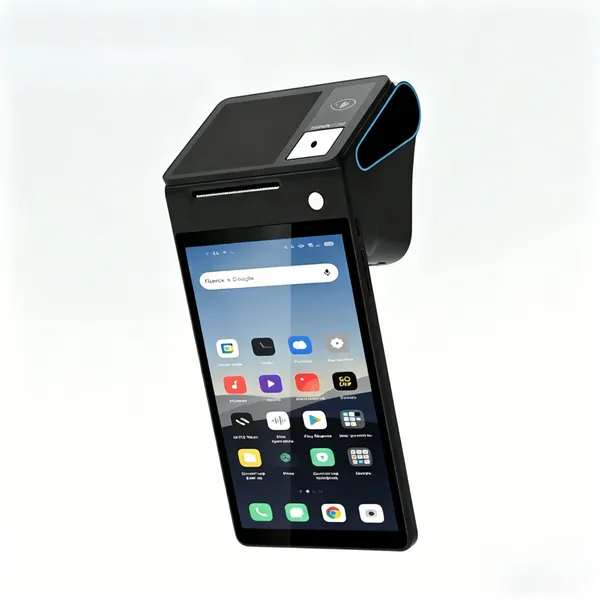
Hilitand Thermal POS Receipt Printer, Handheld POS Terminal With 3.95 Inch Touchable Customer-ScreenThermal Printing for Retail Stores SUNMI/ZONSUS$ 219 - 369MOQ: 1 Unit
-
Hilitand Thermal POS Receipt Printer, Handheld POS Terminal With 3.95 Inch Touchable Customer-ScreenThermal Printing for Retail Stores SUNMI/ZONSUS$ 219 - 369MOQ: 1 Unit
-
POS PDA Receipt Printer Android 14 and 58mm High Speed Thermal Printer 8'' Touch Screen. Handheld Mobil Point of Sale Tablet Support 5GUS$ 219 - 369MOQ: 1 Unit
-
Desktop POS Terminal, 8 Inch HD Screen 88mm Thermal Printer 3600 MAh Android POS Compatible With Loyverse IREAP for Retail RestaurantUS$ 219 - 369MOQ: 1 Unit
-
Handheld PDA Printer Smart POS Terminal Portable Printers Intelligent Payment Terminal Function BT/WiFi/USB OTG/ 3G CommunicationUS$ 219 - 369MOQ: 1 Unit