 Business License

How POS Systems Help Retailers Manage Inventory and Sales Efficiently
In today’s fast-moving retail world, managing inventory and sales manually is no longer practical. Customers expect products to be available, prices to be accurate, and checkout to be fast. This is where POS systems become a game-changer for retail businesses.
A modern POS system is much more than a checkout machine. It acts as a central hub that connects sales, inventory, and customer data in real time.
Smarter Inventory Management
One of the biggest advantages of POS systems in retail is real-time inventory tracking. Every time a product is sold, the system automatically updates stock levels.
This means store owners no longer need to manually count products every day. Instead, they can simply check the dashboard and see exactly what is in stock.
Even better, POS systems can send low-stock alerts. For example, if a clothing store is running out of medium-sized T-shirts, the system will notify the manager before it becomes a problem.
This prevents two major issues:
Overstocking (too much money tied up in inventory)
Stockouts (lost sales due to missing products)
Sales Tracking Made Simple
POS systems also help retailers understand their sales performance.
With just a few clicks, store owners can see:
Daily sales
Best-selling products
Peak shopping hours
Seasonal trends
For example, a coffee shop might discover that iced drinks sell more in the afternoon, while hot drinks dominate the morning. This helps optimize promotions and staffing.
Better Decision-Making with Data
Retail is no longer just about selling—it’s about data-driven decisions.
POS systems provide detailed reports that help business owners:
Identify profitable products
Remove slow-moving inventory
Adjust pricing strategies
Plan future purchases
This turns guesswork into strategy.
Multi-Store Management
For businesses with multiple branches, POS systems are even more powerful. All store data can be connected in one cloud system.
This allows owners to:
Transfer stock between stores
Compare performance across locations
Manage everything from a single dashboard
The Bottom Line
POS systems have transformed retail from a manual process into a smart, automated operation. By combining inventory control, sales tracking, and business analytics, they help retailers run smoother, faster, and more profitably.
In short, a POS system is not just a tool—it’s the backbone of modern retail success.
Recently Posted
-
The Role of POS Systems in Hotel Front Desk and Restaurant Management
June 17, 2026In the hotel industry, guest experience is everything. From check-in to dining to checkout, every interaction matter Read More
 -
How POS Systems Improve Order and Checkout Efficiency in Restaurants
June 17, 2026In a busy restaurant, speed and accuracy are everything. A delayed order or billing mistake can affect customer sati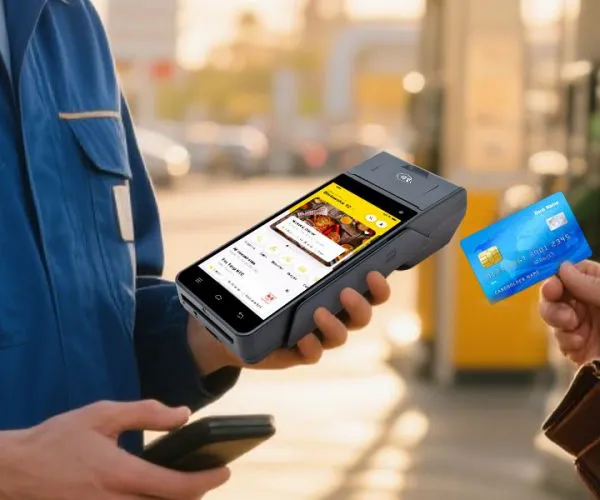 Read More
 -
Payment Options Explained: Cards, NFC, and QR Codes in Modern POS Machines
June 16, 2026Modern POS machines are like multilingual payment translators. Whether a customer inserts a card, taps a phone, or scans a QR code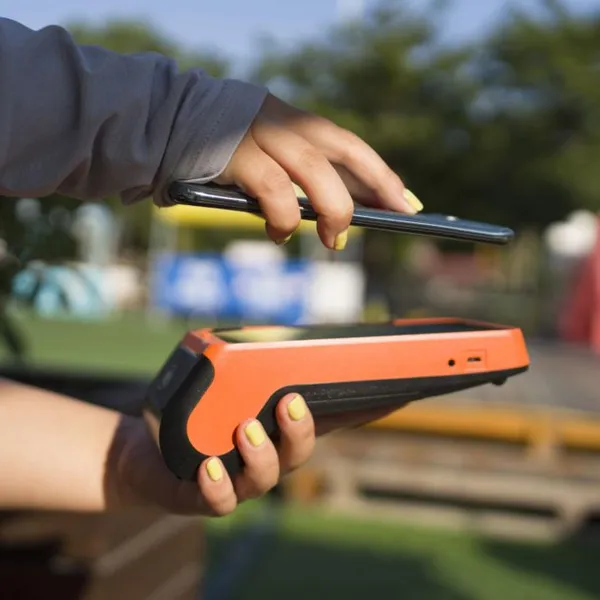 Read More
 -
How a POS Machine Works: From Order to Payment in Seconds
June 15, 2026A customer walks into a store, picks up a product, taps a card, and leaves with a receipt — all in less than a minute. It feels si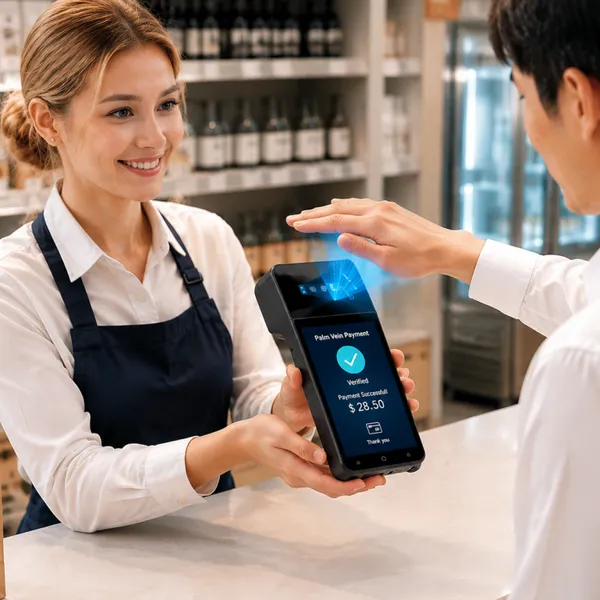 Read More

Contact Us
Recommended Products
-
 Z92P Secure Handheld Payment Terminal,Octa-Core Android POS With Dual SIM Slot,5MP Barcode Scanner Support Fiscal Module for Pharmacy & Kiosk CheckoutUS$ 219 - 260MOQ: 1 Unit
 -
Z92P Portable Biometric POS Cash Register,Built-in Palm Vein Recognition + Thermal Receipt Printer,4G LTE GPS BT for Food Truck & Convenience StoreUS$ 219 - 260MOQ: 1 Unit
-
Z92P Contactless Palm Vein Payment PDA,5.5 Inch HD Touch Screen,EMV PCI Certified MSR IC NFC Reader Compatible With Loyverse IREAP for Small BusinessUS$ 219 - 260MOQ: 1 Unit
-
Z92P Palm Vein Handheld POS Terminal, Android13 All-in-One Machine With 58mm Thermal Printer,NFC 1D/2D QR Scanner 4G WiFi for Retail & Gas StationUS$ 219 - 260MOQ: 1 Unit
-
Z108P Secure Palm Vein POS System,Dual SIM PSAM Slot Multi-Port Terminal,EMV CE FCC Certified for Large Retail & Catering BusinessUS$ 219 - 309MOQ: 1 Unit
-
All-in-One Desktop Biometric Payment POS,Optional Fiscal Module & Cash Drawer,58/80mm Selectable Thermal Printing for Beauty & Clothing Chain StoreUS$ 219 - 309MOQ: 1 Unit
-
Z108P Flagship Dual Display POS Cashier Machine,Palm Vein Authentication + 5MP QR Scanner,GMS Certified 4G WiFi BT for Pharmacy & Grocery MartUS$ 219 - 309MOQ: 1 Unit
-
Z108P Contactless Palm Vein Biometric POS Terminal,3GB+16GB Up to 4GB+64GB,5-in-1 Card Reader Multi RJ45 RJ11 Port for Supermarket RetailUS$ 219 - 309MOQ: 1 Unit
-
Z108P New Dual Screen Palm Vein Desktop POS,Android14 8 Inch Cash Register With Optional 80mm Auto-Cutter Thermal Printer NFC for Chain RestaurantUS$ 219 - 309MOQ: 1 Unit
-
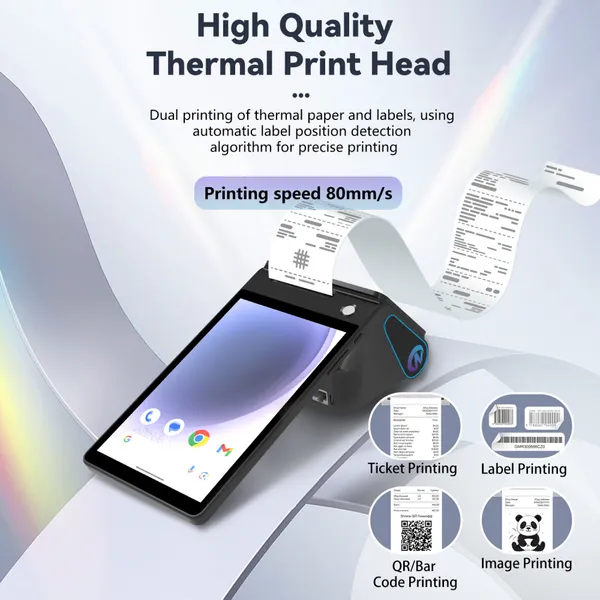
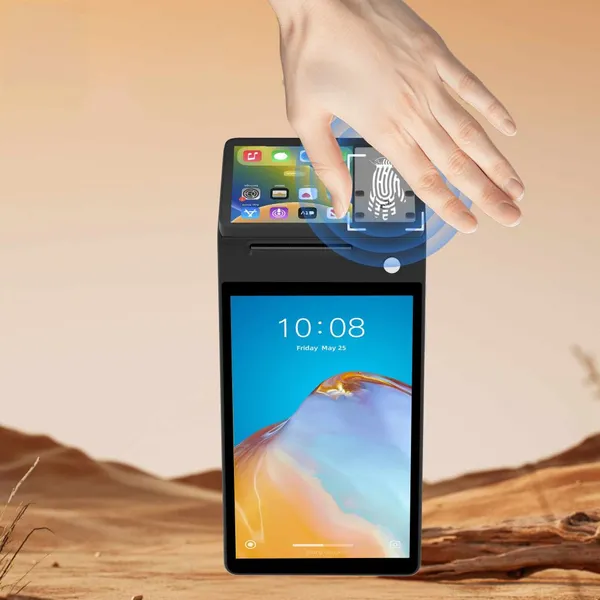
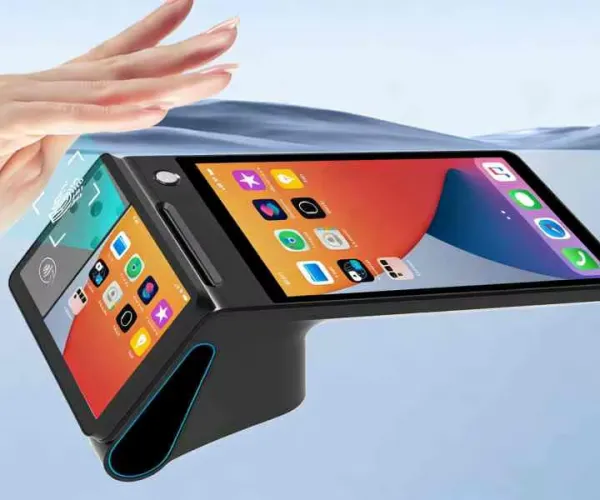
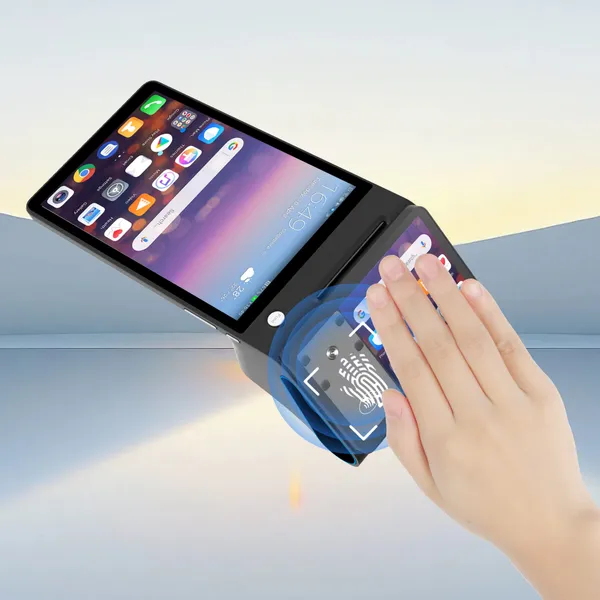
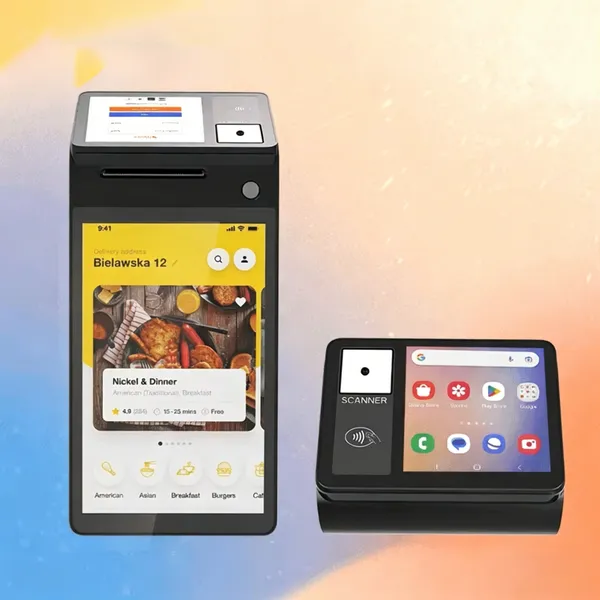
Z108 New Release Android POS Cash Register, Upgraded Thermal Printer 4GB+64GB Storage Wireless 4G POS Compatible With Global Retail POS SoftwareUS$ 219 - 369MOQ: 1 Unit
-
Marhynchus POS Receipt Printer Handheld Thermal Printer Thermal Printing 2GB 16GB WiFi BT 5.0 NFC 4G for Retail Stores Restaurants ZONS BrandUS$ 219 - 369MOQ: 1 Unit
-
POS Terminal Receipt Printer 2.26/3.95 Inch Customer Screen IPS HD 8 Inch Touch Screen Scanning Thermal Printing Handheld Mobile POSUS$ 219 - 369MOQ: 1 Unit
-
Generic Handheld POS Receipt Printer High Speed 58/80mm Thermal Printer for Efficient Operation, Ideal for Retail Shops,Warehouse ManagementUS$ 219 - 369MOQ: 1 Unit
-
Hard Case Compatible With Square Handheld - Portable POS - NFC Machine Point of Sale Card Reader Travel Case (Black) Z108US$ 219 - 369MOQ: 1 Unit
-
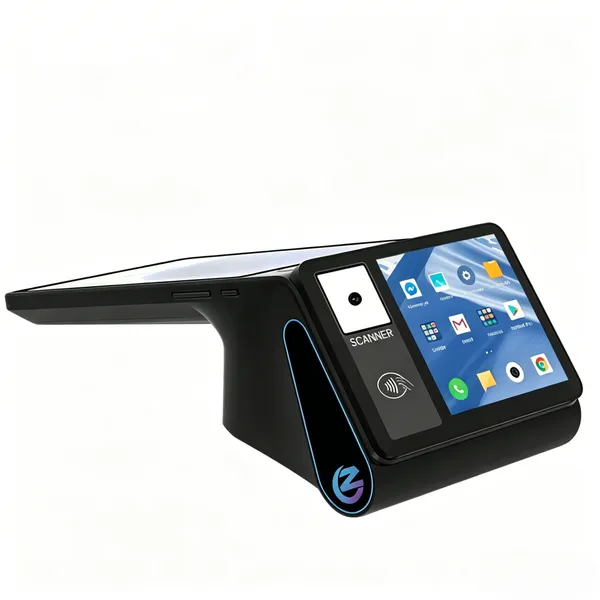
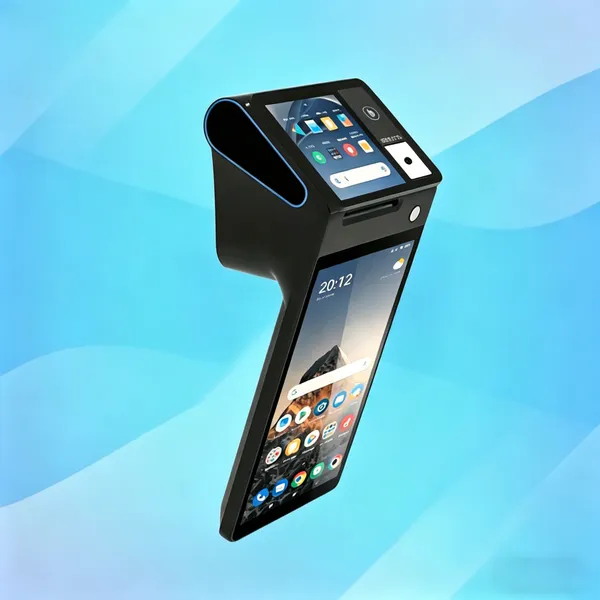
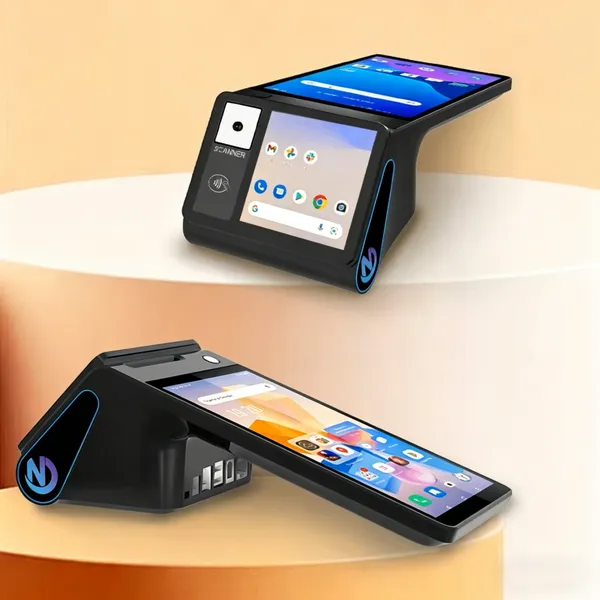
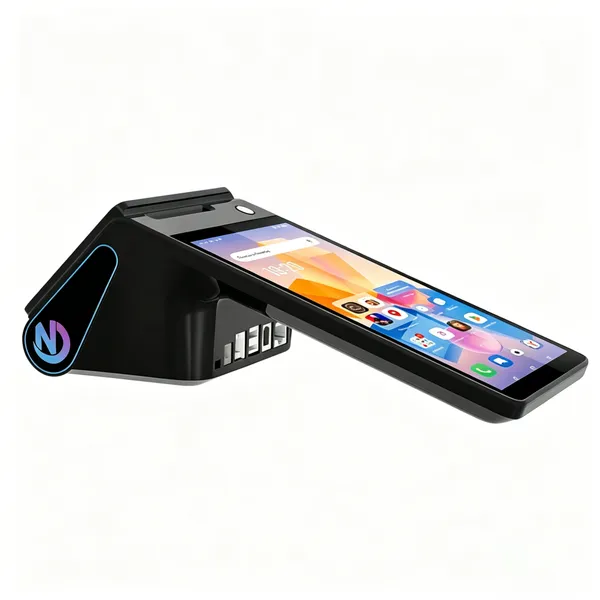
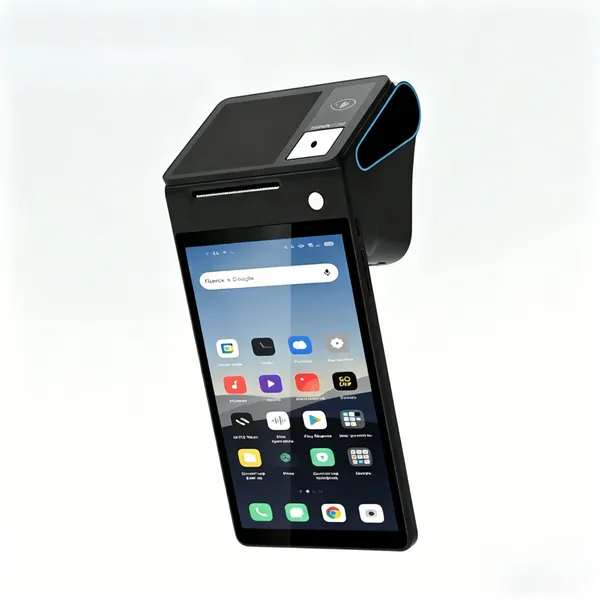
PDA Handheld POS Terminal, 4G WiFi BT Mobile Computer With NFC, 3600mAh Battery, for Warehouse Inventory Logistics Retail POS, Desktop POSUS$ 219 - 369MOQ: 1 Unit
-
Hilitand Thermal POS Receipt Printer, Handheld POS Terminal With 3.95 Inch Touchable Customer-ScreenThermal Printing for Retail Stores SUNMI/ZONSUS$ 219 - 369MOQ: 1 Unit
-
Hilitand Thermal POS Receipt Printer, Handheld POS Terminal With 3.95 Inch Touchable Customer-ScreenThermal Printing for Retail Stores SUNMI/ZONSUS$ 219 - 369MOQ: 1 Unit
-
POS PDA Receipt Printer Android 14 and 58mm High Speed Thermal Printer 8'' Touch Screen. Handheld Mobil Point of Sale Tablet Support 5GUS$ 219 - 369MOQ: 1 Unit
-
Desktop POS Terminal, 8 Inch HD Screen 88mm Thermal Printer 3600 MAh Android POS Compatible With Loyverse IREAP for Retail RestaurantUS$ 219 - 369MOQ: 1 Unit
-
Handheld PDA Printer Smart POS Terminal Portable Printers Intelligent Payment Terminal Function BT/WiFi/USB OTG/ 3G CommunicationUS$ 219 - 369MOQ: 1 Unit