 Business License

Payment Options Explained: Cards, NFC, and QR Codes in Modern POS Machines
Modern POS machines are like multilingual payment translators. Whether a customer inserts a card, taps a phone, or scans a QR code, the POS system understands the request and processes the payment quickly and securely.
But these payment methods work in different ways, and each has its own strengths. Here’s a simple guide to the three most common options in today’s POS systems.
1. Card Payments: The Classic Choice
Card payments are still one of the most widely used methods worldwide. Customers insert, swipe, or tap a credit or debit card on the POS terminal.
How it works
The card reader captures payment information.
The POS terminal encrypts the data.
The payment processor contacts the bank for approval.
Once approved, the transaction is completed.
Why businesses like it
Familiar and trusted by customers
Works for both large and small transactions
Supported almost everywhere
Things to keep in mind
Chip-and-PIN transactions are more secure than magnetic stripe swipes.
Processing fees may apply for merchants.
Transactions can take slightly longer than contactless methods.
Card payments remain the backbone of many retail and hospitality businesses because of their reliability and broad acceptance.
2. NFC Payments: Tap and Go
NFC (Near Field Communication) is the technology behind contactless payments. Customers simply tap a card, phone, or smartwatch near the POS terminal.
How it works
The NFC chip in the device communicates wirelessly with the POS terminal.
Payment data is securely transmitted over a very short distance.
The transaction is authorized almost instantly.
Common examples
Contactless credit/debit cards
Apple Pay
Google Wallet
Samsung Wallet
Why it’s popular
Very fast checkout
Convenient — no need to insert a card or enter details for small purchases
Often more secure because card details are tokenized, not directly shared
Best use cases
Cafés and quick-service restaurants
Public transport and ticketing
Busy retail environments with long queues
NFC payments became especially popular after the pandemic because customers appreciated the speed and minimal physical contact.
3. QR Code Payments: Scan and Pay
QR code payments use a smartphone camera instead of a card reader. The customer scans a QR code displayed by the POS system, then confirms the payment in a mobile app.
How it works
The POS terminal generates or displays a QR code.
The customer scans it with a banking or wallet app.
The app sends payment authorization.
The POS system receives confirmation and completes the sale.
Why businesses use it
Low-cost payment acceptance
Useful in regions where mobile wallets are dominant
Easy to deploy without expensive hardware
Popular platforms
Alipay
WeChat Pay
Paytm
Various banking apps
Things to consider
Customers need a smartphone and internet access.
Scanning can be slightly slower than tapping with NFC.
Merchant adoption varies by country and industry.
QR payments are especially strong in Asia-Pacific markets, where mobile wallets are deeply integrated into daily life.
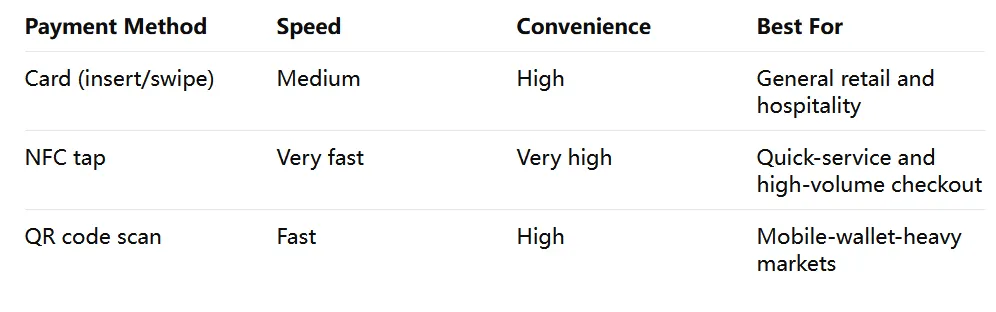
Which Payment Method Is Best?
The best POS setup usually supports all three methods. Customers value choice, and different situations call for different payment styles.
The Future of POS Payments
Payment technology keeps evolving. Modern POS terminals are already combining cards, NFC, QR codes, biometric authentication, and cloud-based security into one device. The goal is simple: make payments faster, safer, and easier for everyone.
The Bottom Line
Cards, NFC, and QR codes are not competing enemies — they’re different tools for different customer preferences. A modern POS machine that supports all of them gives businesses the flexibility to serve more customers, reduce checkout friction, and stay ready for the future of digital payments.
Recently Posted
-
The Role of POS Systems in Hotel Front Desk and Restaurant Management
June 17, 2026In the hotel industry, guest experience is everything. From check-in to dining to checkout, every interaction matter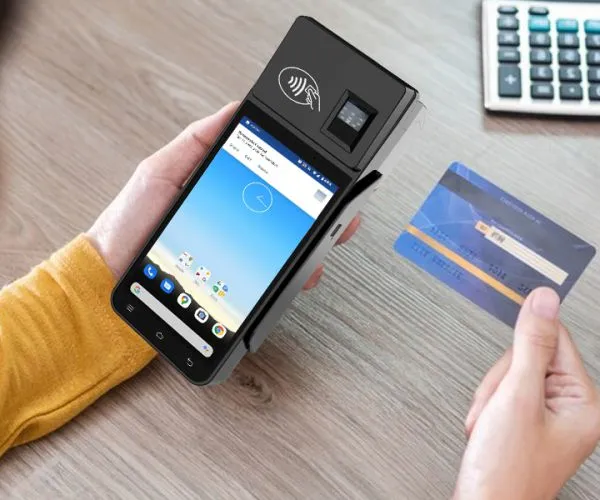 Read More
 -
How POS Systems Improve Order and Checkout Efficiency in Restaurants
June 17, 2026In a busy restaurant, speed and accuracy are everything. A delayed order or billing mistake can affect customer sati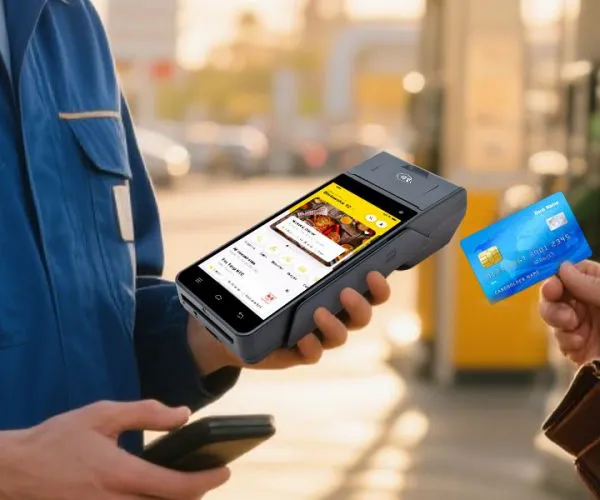 Read More
 -
How POS Systems Help Retailers Manage Inventory and Sales Efficiently
June 16, 2026In today’s fast-moving retail world, managing inventory and sales manually is no longer practical. Customers expect products to be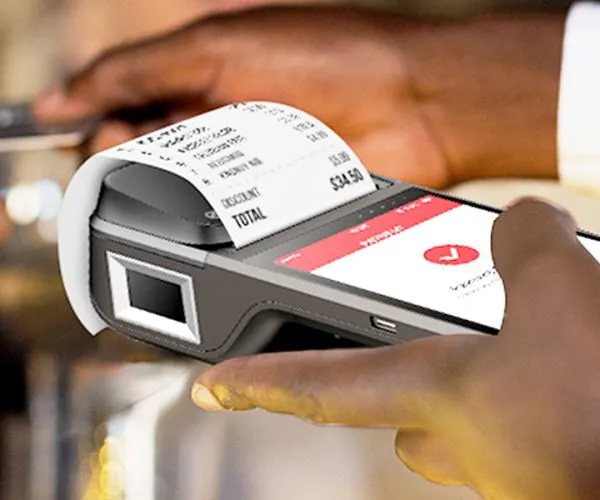 Read More
 -
How a POS Machine Works: From Order to Payment in Seconds
June 15, 2026A customer walks into a store, picks up a product, taps a card, and leaves with a receipt — all in less than a minute. It feels si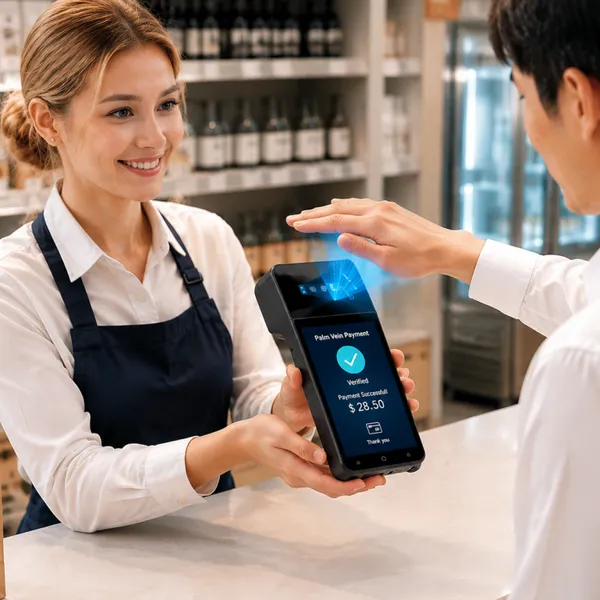 Read More

Contact Us
Recommended Products
-
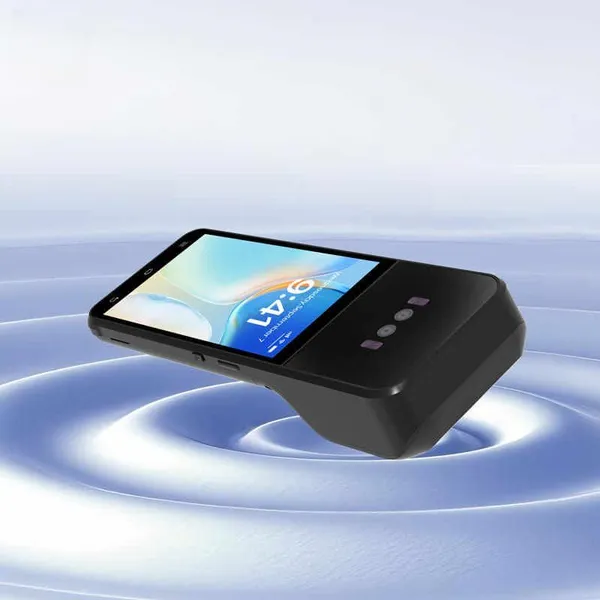
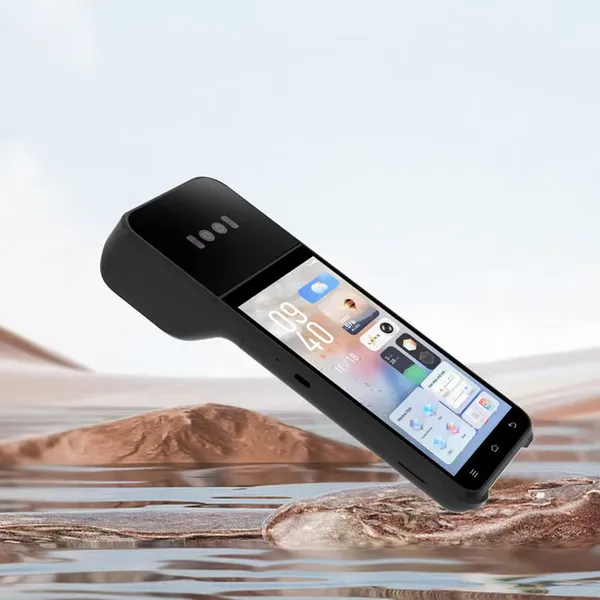
 Z92P Secure Handheld Payment Terminal,Octa-Core Android POS With Dual SIM Slot,5MP Barcode Scanner Support Fiscal Module for Pharmacy & Kiosk CheckoutUS$ 219 - 260MOQ: 1 Unit
 -
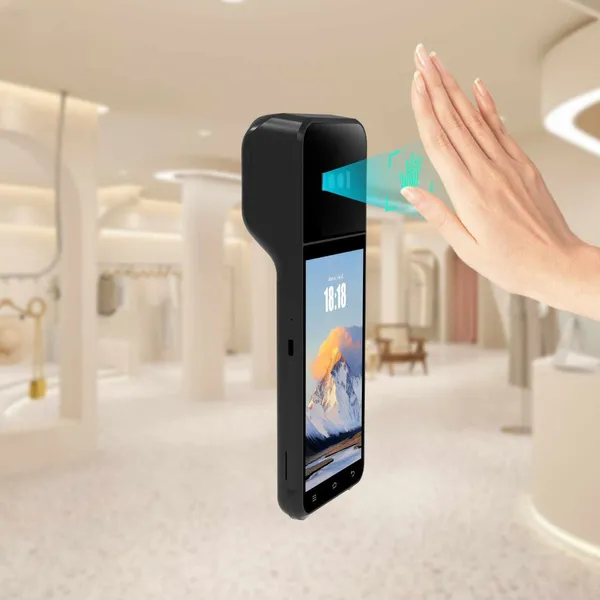
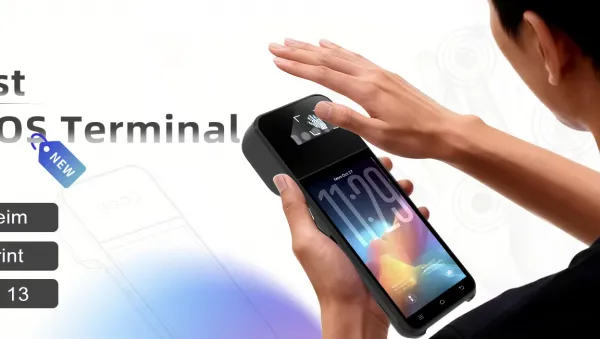
Z92P Portable Biometric POS Cash Register,Built-in Palm Vein Recognition + Thermal Receipt Printer,4G LTE GPS BT for Food Truck & Convenience StoreUS$ 219 - 260MOQ: 1 Unit
-
Z92P Contactless Palm Vein Payment PDA,5.5 Inch HD Touch Screen,EMV PCI Certified MSR IC NFC Reader Compatible With Loyverse IREAP for Small BusinessUS$ 219 - 260MOQ: 1 Unit
-
Z92P Palm Vein Handheld POS Terminal, Android13 All-in-One Machine With 58mm Thermal Printer,NFC 1D/2D QR Scanner 4G WiFi for Retail & Gas StationUS$ 219 - 260MOQ: 1 Unit
-
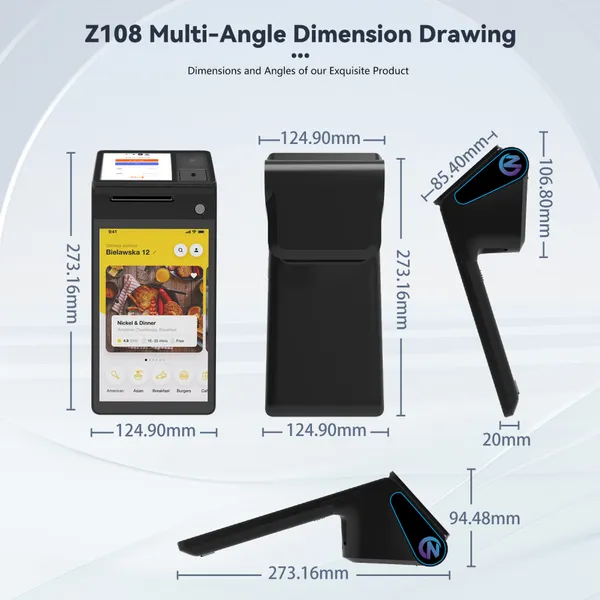
Z108P Secure Palm Vein POS System,Dual SIM PSAM Slot Multi-Port Terminal,EMV CE FCC Certified for Large Retail & Catering BusinessUS$ 219 - 309MOQ: 1 Unit
-
All-in-One Desktop Biometric Payment POS,Optional Fiscal Module & Cash Drawer,58/80mm Selectable Thermal Printing for Beauty & Clothing Chain StoreUS$ 219 - 309MOQ: 1 Unit
-
Z108P Flagship Dual Display POS Cashier Machine,Palm Vein Authentication + 5MP QR Scanner,GMS Certified 4G WiFi BT for Pharmacy & Grocery MartUS$ 219 - 309MOQ: 1 Unit
-
Z108P Contactless Palm Vein Biometric POS Terminal,3GB+16GB Up to 4GB+64GB,5-in-1 Card Reader Multi RJ45 RJ11 Port for Supermarket RetailUS$ 219 - 309MOQ: 1 Unit
-
Z108P New Dual Screen Palm Vein Desktop POS,Android14 8 Inch Cash Register With Optional 80mm Auto-Cutter Thermal Printer NFC for Chain RestaurantUS$ 219 - 309MOQ: 1 Unit
-
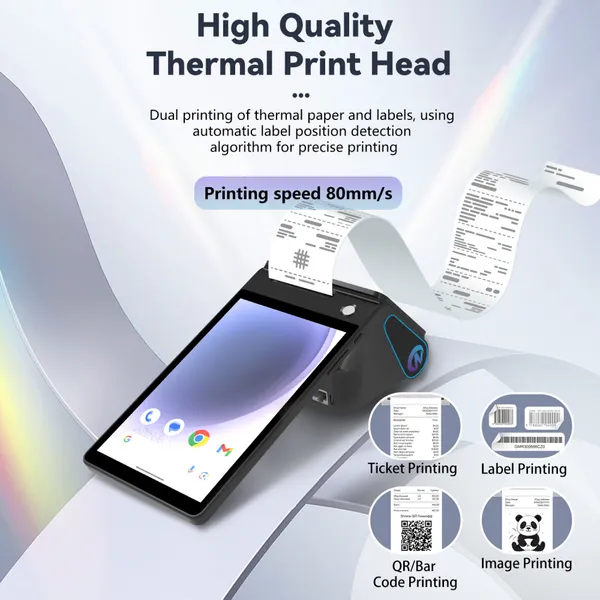
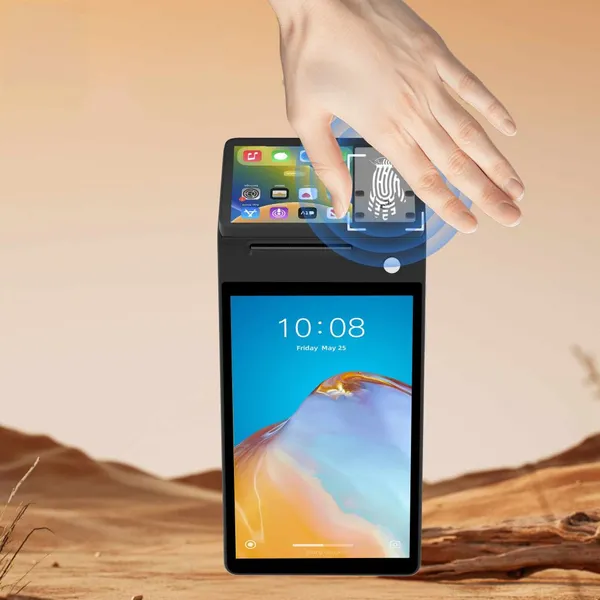
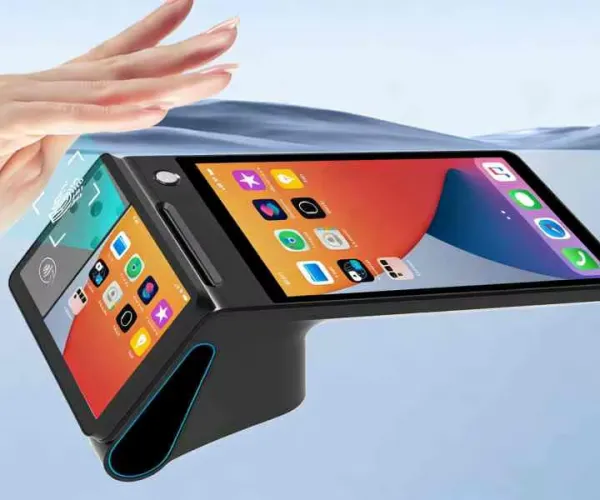
Z108 New Release Android POS Cash Register, Upgraded Thermal Printer 4GB+64GB Storage Wireless 4G POS Compatible With Global Retail POS SoftwareUS$ 219 - 369MOQ: 1 Unit
-
Marhynchus POS Receipt Printer Handheld Thermal Printer Thermal Printing 2GB 16GB WiFi BT 5.0 NFC 4G for Retail Stores Restaurants ZONS BrandUS$ 219 - 369MOQ: 1 Unit
-
POS Terminal Receipt Printer 2.26/3.95 Inch Customer Screen IPS HD 8 Inch Touch Screen Scanning Thermal Printing Handheld Mobile POSUS$ 219 - 369MOQ: 1 Unit
-
Generic Handheld POS Receipt Printer High Speed 58/80mm Thermal Printer for Efficient Operation, Ideal for Retail Shops,Warehouse ManagementUS$ 219 - 369MOQ: 1 Unit
-
Hard Case Compatible With Square Handheld - Portable POS - NFC Machine Point of Sale Card Reader Travel Case (Black) Z108US$ 219 - 369MOQ: 1 Unit
-
PDA Handheld POS Terminal, 4G WiFi BT Mobile Computer With NFC, 3600mAh Battery, for Warehouse Inventory Logistics Retail POS, Desktop POSUS$ 219 - 369MOQ: 1 Unit
-
Hilitand Thermal POS Receipt Printer, Handheld POS Terminal With 3.95 Inch Touchable Customer-ScreenThermal Printing for Retail Stores SUNMI/ZONSUS$ 219 - 369MOQ: 1 Unit
-
Hilitand Thermal POS Receipt Printer, Handheld POS Terminal With 3.95 Inch Touchable Customer-ScreenThermal Printing for Retail Stores SUNMI/ZONSUS$ 219 - 369MOQ: 1 Unit
-
POS PDA Receipt Printer Android 14 and 58mm High Speed Thermal Printer 8'' Touch Screen. Handheld Mobil Point of Sale Tablet Support 5GUS$ 219 - 369MOQ: 1 Unit
-
Desktop POS Terminal, 8 Inch HD Screen 88mm Thermal Printer 3600 MAh Android POS Compatible With Loyverse IREAP for Retail RestaurantUS$ 219 - 369MOQ: 1 Unit
-
Handheld PDA Printer Smart POS Terminal Portable Printers Intelligent Payment Terminal Function BT/WiFi/USB OTG/ 3G CommunicationUS$ 219 - 369MOQ: 1 Unit