 Business License

Survey: What Is Your Most Common Payment Method? Exploring How People Pay Around the World
Introduction
Imagine walking into a coffee shop and ordering your favorite drink.
How would you pay?
Would you use cash?
A credit card?
Your smartphone?
A smartwatch?
Today, people have more payment choices than ever before. The way we pay is changing rapidly, and different countries, generations, and industries have developed different payment habits.
Payment methods are no longer just about completing a transaction. They are now connected with convenience, speed, security, and customer experience.
So, we want to ask:
What is your most common payment method?
Before answering, let's explore how payment habits are changing around the world.
1. Cash: Traditional but Still Important
For hundreds of years, cash was the most common payment method worldwide.
Even today, cash remains important in many markets, especially for:
Small local shops
Street vendors
Rural businesses
Older customers
The advantages of cash are simple:
No internet connection required
Easy to understand
Available almost everywhere
However, cash also has disadvantages:
Requires physical storage
Cannot be tracked automatically
Takes longer to manage
For businesses, handling cash often requires additional time for counting, recording, and security management.
2. Credit and Debit Cards: The Global Payment Standard
Bank cards became one of the biggest payment innovations of the 20th century.
Today, millions of businesses accept:
Credit cards
Debit cards
Contactless cards
Cards provide customers with:
Convenience
Security
Transaction records
For businesses, card payments also improve efficiency because transactions are automatically recorded through POS systems.
Many modern POS terminals support multiple card types, making them essential tools for global commerce.
3. Mobile Payments: The Fast-Growing Payment Trend
One of the biggest changes in recent years is the growth of mobile payments.
Instead of carrying wallets, many customers now use smartphones.
Popular mobile payment methods include:
Apple Pay
Google Pay
QR code payments
Mobile banking applications
The advantages are clear:
Faster checkout
Customers can complete payment within seconds.
Better convenience
Phones are usually already in customers' hands.
Enhanced security
Many mobile payments use encryption and biometric verification.
4. Contactless Payment and NFC Technology
NFC payment has become increasingly popular because it creates a faster checkout experience.
Customers simply:
Hold their card or smartphone near the POS terminal
Wait for confirmation
Complete payment
This is especially useful in places where speed matters:
Fast food restaurants
Public transportation
Convenience stores
Coffee shops
During busy periods, saving just a few seconds per transaction can significantly improve customer flow.
5. QR Code Payments: Simple and Flexible
QR code payments have grown quickly in many countries because they require minimal hardware investment.
Customers only need to:
Scan a QR code
Confirm payment
Receive transaction confirmation
For small businesses, QR payments provide an affordable way to accept digital payments without expensive equipment.
6. The Future: More Smart and Integrated Payments
The future of payment technology will likely focus on combining convenience and security.
Possible developments include:
Biometric payments
Wearable device payments
AI-powered fraud detection
Digital currency payments
POS terminals will continue evolving to support more payment options and create smoother customer experiences.
Let’s Start a Conversation
Now it is your turn!
What payment method do you personally use most often?
A. Cash 💵
B. Credit/Debit Card 💳
C. Mobile Payment 📱
D. Contactless NFC Payment ⌚
E. Other methods 🌎
Leave your answer in the comments!
Businesses around the world are adapting to changing payment habits, and understanding customer preferences is the key to creating better payment experiences.
Conclusion
There is no single perfect payment method.
Different customers prefer different solutions depending on location, lifestyle, and personal habits.
That is why modern POS systems continue to support multiple payment options.
The future of payments is not about replacing one method with another—it is about giving customers more freedom, speed, and convenience.
Recently Posted
-
The Growth of Mobile POS in Global Markets: Why Portable Payment Solutions Are Becoming the Future
July 24, 2026IntroductionThe way businesses accept payments is changing rapidly.In the past, customers usually had to walk to a fixed checkout Read More
 -
Why Android POS Is Replacing Traditional POS Systems
July 24, 2026IntroductionFor many years, traditional POS systems dominated the retail and hospitality industries.Businesses relied on fixed ter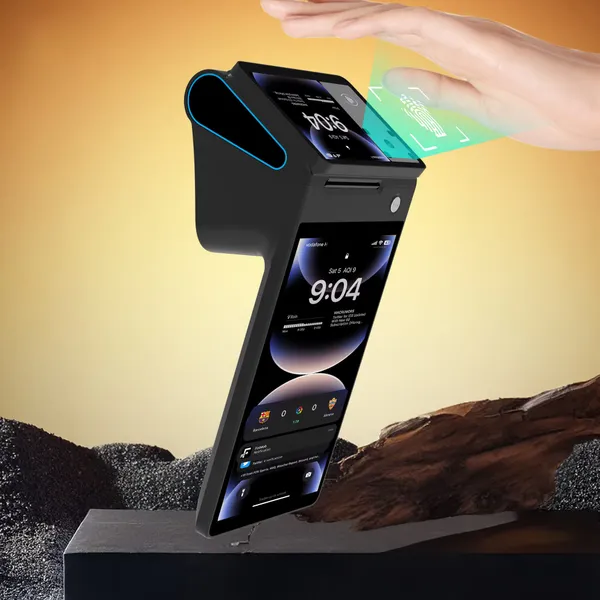 Read More
 -
POS Market Trends 2026: What Businesses Need to Know
July 24, 2026IntroductionThe global POS market is experiencing significant transformation.For decades, POS terminals were mainly used as simple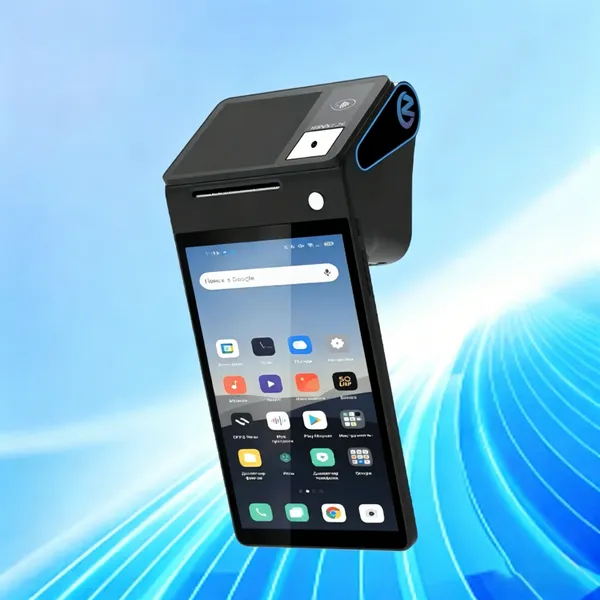 Read More
 -
Why Global Businesses Choose Professional POS Hardware Suppliers
July 23, 2026IntroductionThe global POS market continues to grow as businesses increasingly adopt digital payment and smart management solution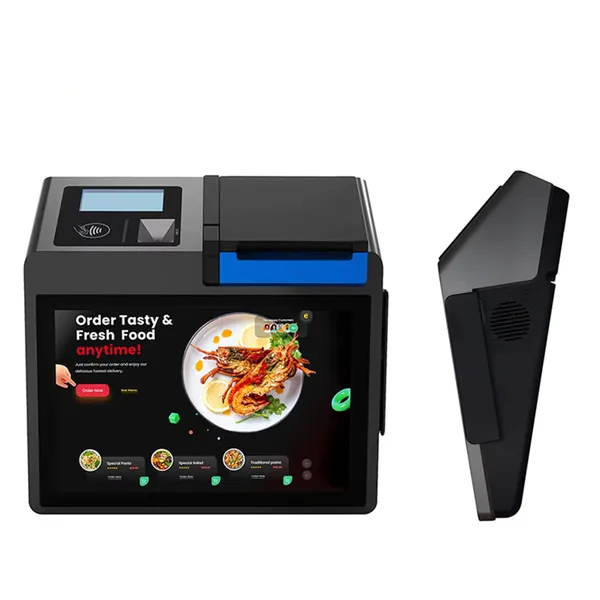 Read More

Contact Us
Recommended Products
-
 Z92P Contactless Palm Vein Payment POS Receipt Printer Handheld 4G 1D 2D QR NFC Thermal Printer With 5.0MP Camera,for Supermarket Small BusinessUS$ 219 - 260MOQ: 1 Unit
 -
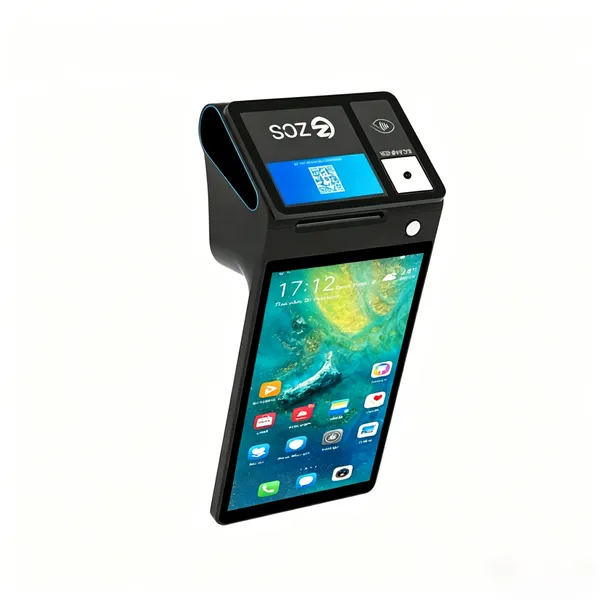
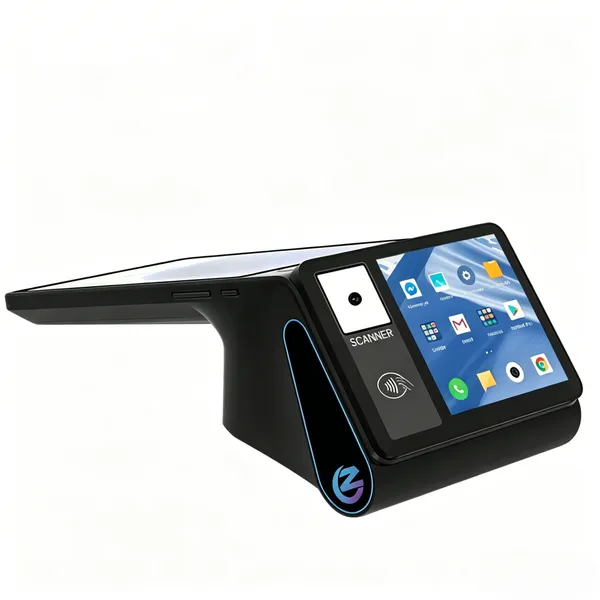
ZONS Thermal POS Receipt Printer, Handheld POS Terminal With 3.95 Inch Touchable Customer-ScreenThermal Printing for Retail Stores SUNMI/ZONSUS$ 219 - 369MOQ: 1 Unit
-
Marhynchus POS Receipt Printer Handheld Thermal Printer Handheld Point of Sale With NFC + Professional Barcode Scanner. 4G Network, 3GB Ram+32GB ROMUS$ 219 - 369MOQ: 1 Unit
-
Z108 New Release Android POS Cash Register, Receipt Printer Android 14 and 58mm Thermal Printer 5.5’ Touch Screen With Global Retail POS SoftwareUS$ 219 - 369MOQ: 1 Unit
-
POS Terminal Receipt Printer 2.26/3.95 Inch Customer Screen Android 14 Support 4G:FDD-LTE,TD-LTE 3G: WCDMA 2G: GSM,GPRS Hot Spot 3GB Ram +16GB ROM&NFCUS$ 219 - 369MOQ: 1 Unit
-
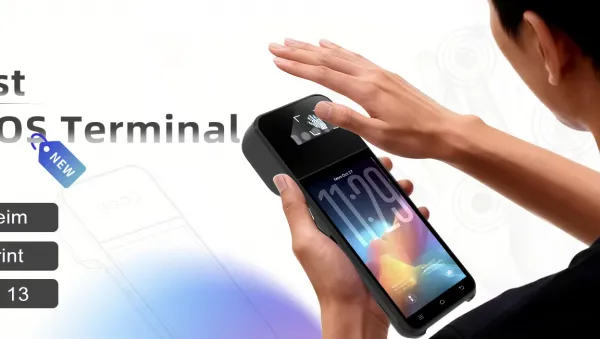
Z108P Handheld Printer Mobile POS Machine 5.5\" Touch Screen 58mm Thermal Printer for Warehouse Inventory Logistics Retail POS SystemUS$ 219 - 309MOQ: 1 Unit
-
Z108P Contactless Palm Vein Biometric POS Terminal Handheld PDA Printer Mobile POS Machine Terminal Printer Android 14 Built-in Google Play and NFCUS$ 219 - 309MOQ: 1 Unit
-
Z108P New Dual Screen Palm Vein POS, PDA Thermal Receipt Printer 5.6\" High Resolution and Clear Touch Screen Thermal Printer NFC for Chain RestaurantUS$ 219 - 309MOQ: 1 Unit
-
All-in-One Desktop Biometric Payment Barcode Scanner 2D 1D Handheld POS Terminal 5.5-inch Touchscreen PDA for Beauty & Clothing Chain StoreUS$ 219 - 309MOQ: 1 Unit
-
Z108P Secure Palm Vein POS System,Dual SIM PSAM Slot Multi-Port Terminal,EMV CE FCC Certified for Large Retail & Catering Business Handheld/DesktopUS$ 219 - 309MOQ: 1 Unit
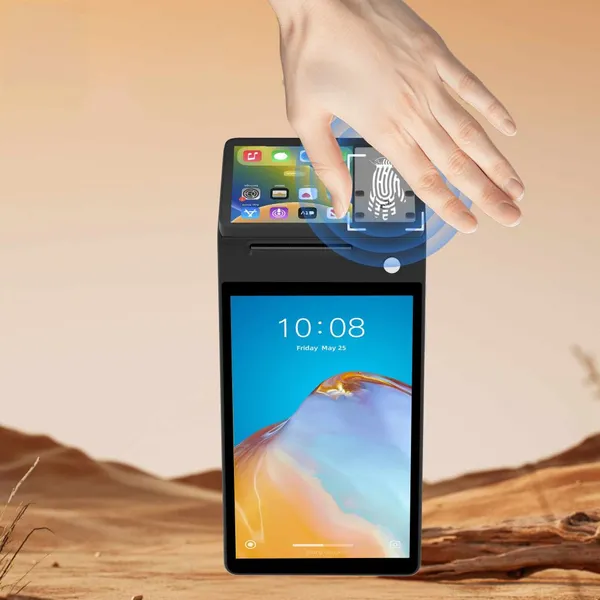
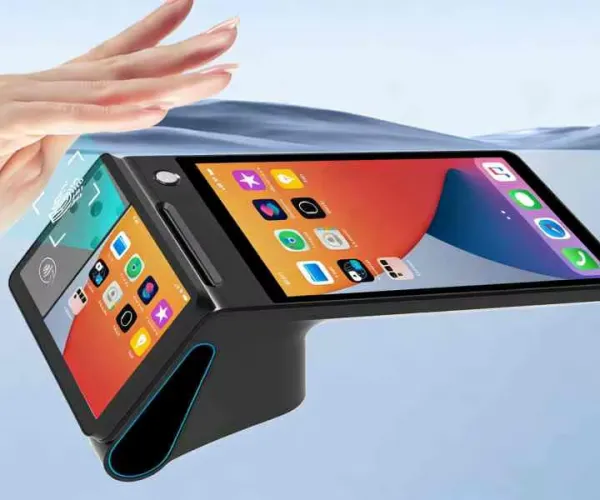
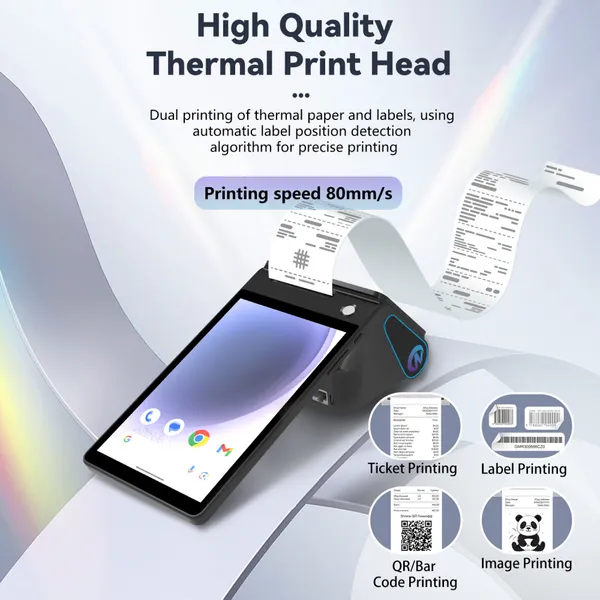
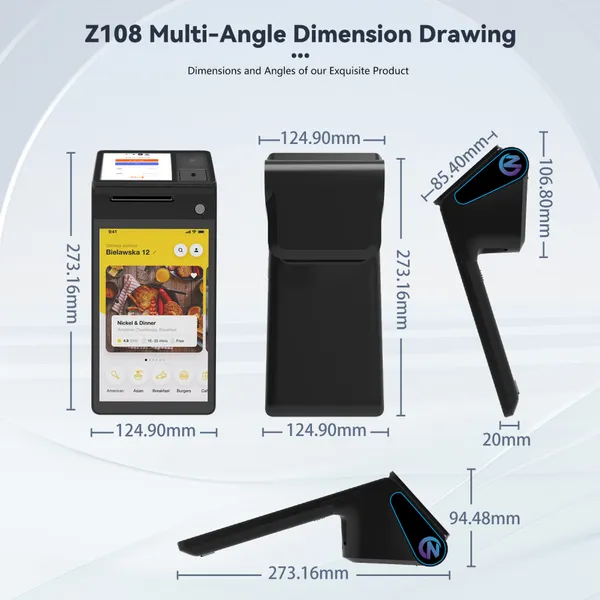
-
Z92P Palm Vein Handheld POS Terminal, Android13 All-in-One Machine POS PDA Receipt/Label Printer,Symcode Android 14 Handheld POS Printer 3GB+32GBUS$ 219 - 260MOQ: 1 Unit
-
Z92P Portable Biometric POS Cash Register Receipt Printer, Handheld 4G PDA Terminal for Android 14 1D 2D Barcode Scanner Handhold POSUS$ 219 - 260MOQ: 1 Unit
-
Handheld Mobile POS PDA Terminal, 58mm Receipt Printer, WiFi Bluetooth, Perfect to Manage Queues, Online, Mobile & Takeaway OrdersUS$ 219 - 260MOQ: 1 Unit
-
Generic Handheld POS Receipt Printer High Speed 58/80mm Thermal Printer for Efficient Operation, Ideal for Retail Shops,Warehouse ManagementUS$ 219 - 369MOQ: 1 Unit
-
Hard Case Compatible With Square Handheld - Portable POS - NFC Machine Point of Sale Card Reader Travel Case (Black) Z108US$ 219 - 369MOQ: 1 Unit
-
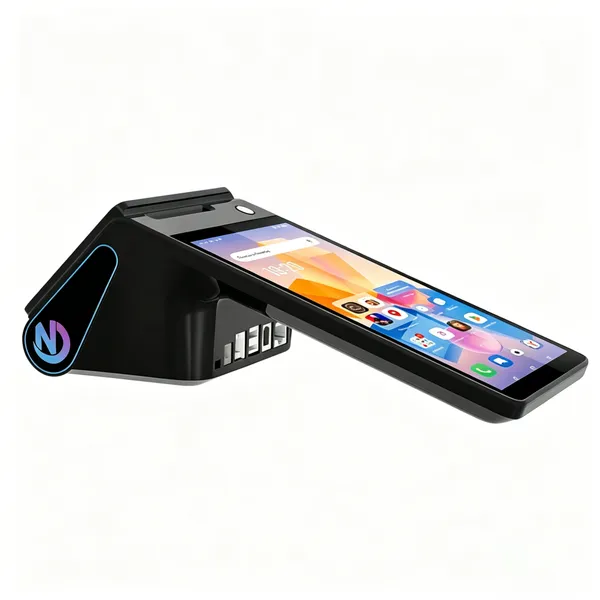
PDA Handheld POS Terminal, 4G WiFi BT Mobile Computer With NFC, 3600mAh Battery, for Warehouse Inventory Logistics Retail POS, Desktop POSUS$ 219 - 369MOQ: 1 Unit
-
Hilitand Thermal POS Receipt Printer, Handheld POS Terminal With 3.95 Inch Touchable Customer-ScreenThermal Printing for Retail Stores SUNMI/ZONSUS$ 219 - 369MOQ: 1 Unit
-
POS PDA Receipt Printer Android 14 and 58mm High Speed Thermal Printer 8'' Touch Screen. Handheld Mobil Point of Sale Tablet Support 5GUS$ 219 - 369MOQ: 1 Unit
-
Desktop POS Terminal, 8 Inch HD Screen 88mm Thermal Printer 3600 MAh Android POS Compatible With Loyverse IREAP for Retail RestaurantUS$ 219 - 369MOQ: 1 Unit
-
Handheld PDA Printer Smart POS Terminal Portable Printers Intelligent Payment Terminal Function BT/WiFi/USB OTG/ 3G CommunicationUS$ 219 - 369MOQ: 1 Unit