 Business License

The Evolution of POS Machines: From Traditional Cash Registers to Smart POS Terminals
Introduction
The way people pay for products has changed dramatically over the past century.
From mechanical cash registers to cloud-connected smart POS terminals, payment technology has continuously evolved to meet the needs of businesses and customers.
The history of POS machines is not only a story about payment—it is a story about how technology transforms business operations.
Stage 1: The Birth of the Cash Register
The journey began in the late 1800s with the invention of the mechanical cash register.
At that time, businesses faced a major problem: managing cash accurately.
The early cash register helped merchants:
Record sales
Calculate totals
Reduce employee mistakes
Improve cash security
Although simple, it was a revolutionary invention.
Stage 2: Electronic Cash Registers
With the development of electronics, traditional mechanical systems were replaced by electronic cash registers.
These systems introduced:
Digital displays
Electronic calculations
Basic memory storage
Businesses could process transactions faster and with fewer errors.
However, these systems still had limited connectivity and data analysis capabilities.
Stage 3: The Arrival of Computer-Based POS Systems
The 1980s and 1990s introduced computer-based POS systems.
Businesses could now manage much more than payments.
POS systems started supporting:
Inventory management
Barcode scanning
Sales reporting
Employee management
Retail and restaurant operations became more organized and efficient.
Stage 4: Internet and Cloud POS
The rise of internet technology completely changed POS systems.
Cloud POS solutions allowed businesses to:
Access data remotely
Manage multiple locations
Receive real-time reports
Update software easily
Business owners no longer needed to stay inside their stores to understand operations.
Stage 5: Mobile and Smart POS
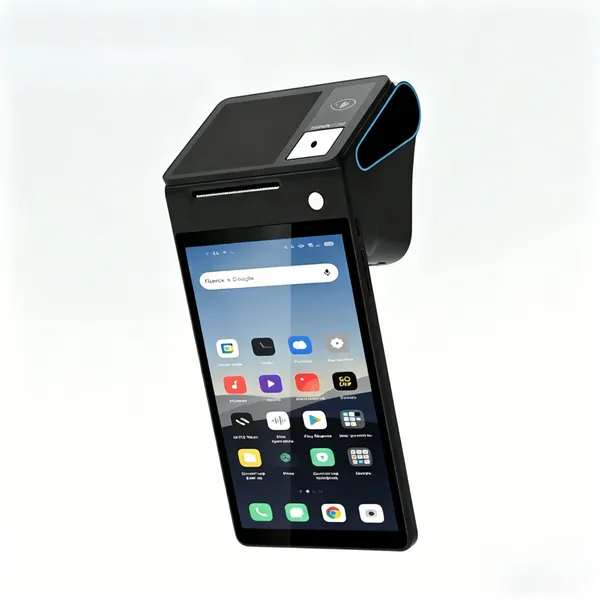
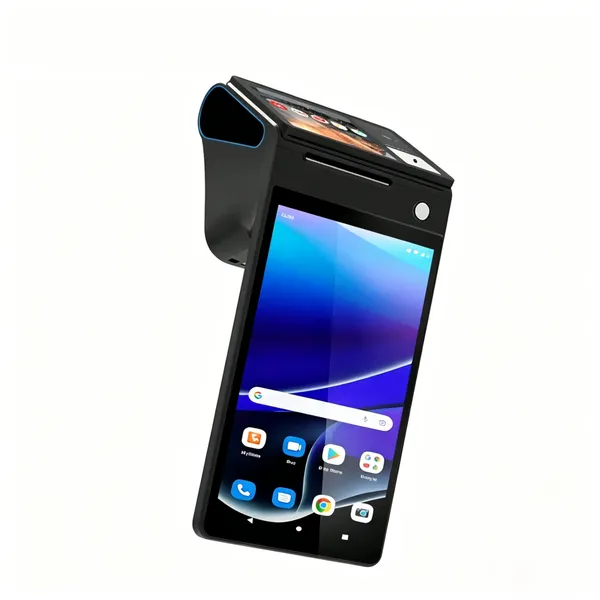
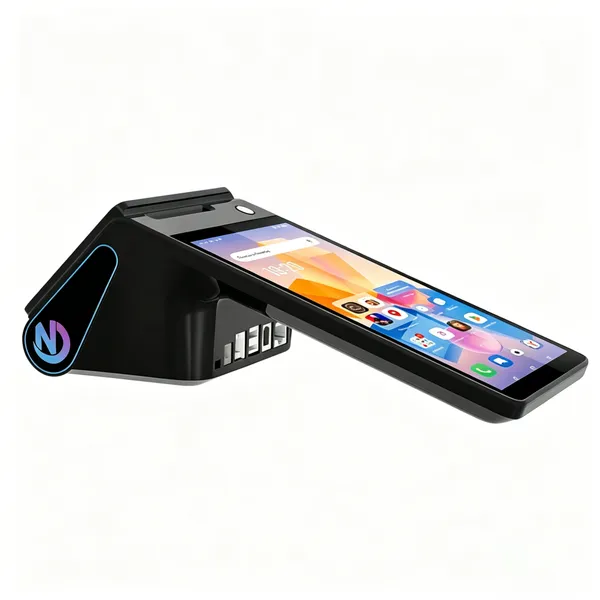
Today, smart POS terminals represent the newest generation of payment technology.
Modern POS devices combine:
Android operating systems
Touchscreens
Wireless networks
NFC payments
Barcode scanning
Portable designs
Businesses can now accept payments anywhere.
The Future of POS Technology
The next generation of POS systems will likely focus on intelligence and automation.
Future systems may include:
AI-powered recommendations
Facial recognition payments
Automated inventory ordering
Advanced customer analytics
The POS machine will continue evolving from a payment device into a complete business management platform.
Conclusion
The evolution of POS machines reflects the evolution of business itself.
From simple cash recording tools to intelligent digital platforms, POS technology has continuously improved efficiency, security, and customer experience.
The future of POS is not just about faster payments—it is about smarter businesses.
Recently Posted
-
The Growth of Mobile POS in Global Markets: Why Portable Payment Solutions Are Becoming the Future
July 24, 2026IntroductionThe way businesses accept payments is changing rapidly.In the past, customers usually had to walk to a fixed checkout Read More
 -
Why Android POS Is Replacing Traditional POS Systems
July 24, 2026IntroductionFor many years, traditional POS systems dominated the retail and hospitality industries.Businesses relied on fixed ter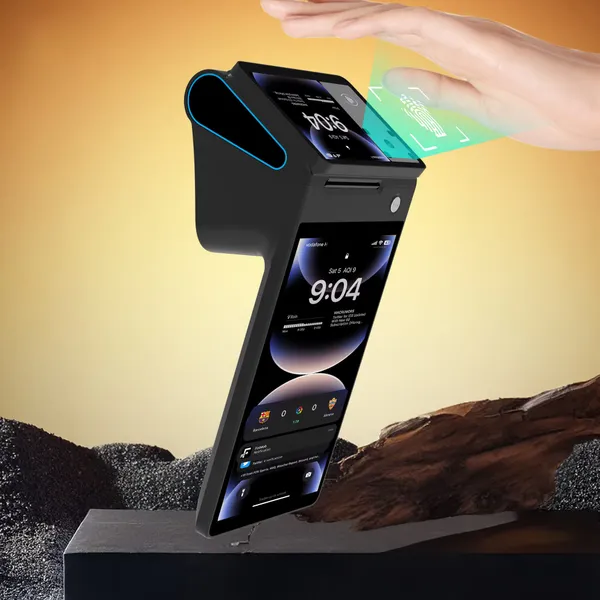 Read More
 -
POS Market Trends 2026: What Businesses Need to Know
July 24, 2026IntroductionThe global POS market is experiencing significant transformation.For decades, POS terminals were mainly used as simple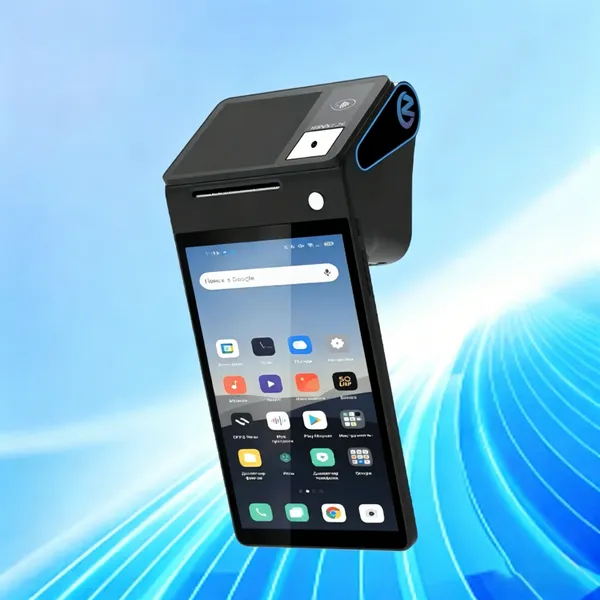 Read More
 -
Why Global Businesses Choose Professional POS Hardware Suppliers
July 23, 2026IntroductionThe global POS market continues to grow as businesses increasingly adopt digital payment and smart management solution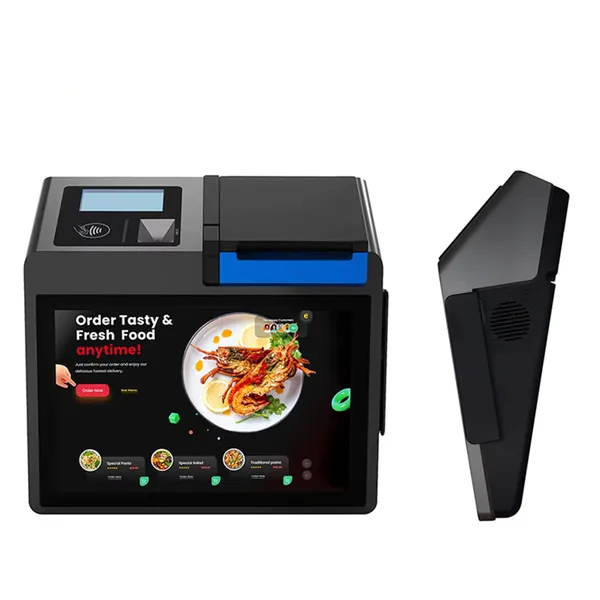 Read More

Contact Us
Recommended Products
-
 Z92P Contactless Palm Vein Payment POS Receipt Printer Handheld 4G 1D 2D QR NFC Thermal Printer With 5.0MP Camera,for Supermarket Small BusinessUS$ 219 - 260MOQ: 1 Unit
 -
ZONS Thermal POS Receipt Printer, Handheld POS Terminal With 3.95 Inch Touchable Customer-ScreenThermal Printing for Retail Stores SUNMI/ZONSUS$ 219 - 369MOQ: 1 Unit
-
Marhynchus POS Receipt Printer Handheld Thermal Printer Handheld Point of Sale With NFC + Professional Barcode Scanner. 4G Network, 3GB Ram+32GB ROMUS$ 219 - 369MOQ: 1 Unit
-
Z108 New Release Android POS Cash Register, Receipt Printer Android 14 and 58mm Thermal Printer 5.5’ Touch Screen With Global Retail POS SoftwareUS$ 219 - 369MOQ: 1 Unit
-
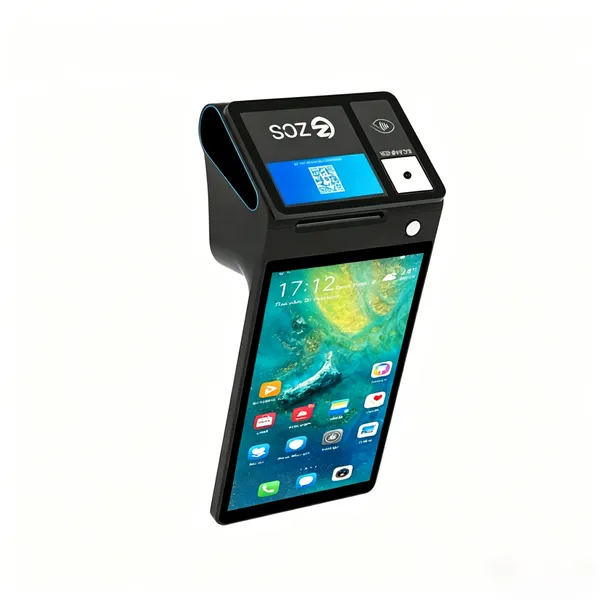
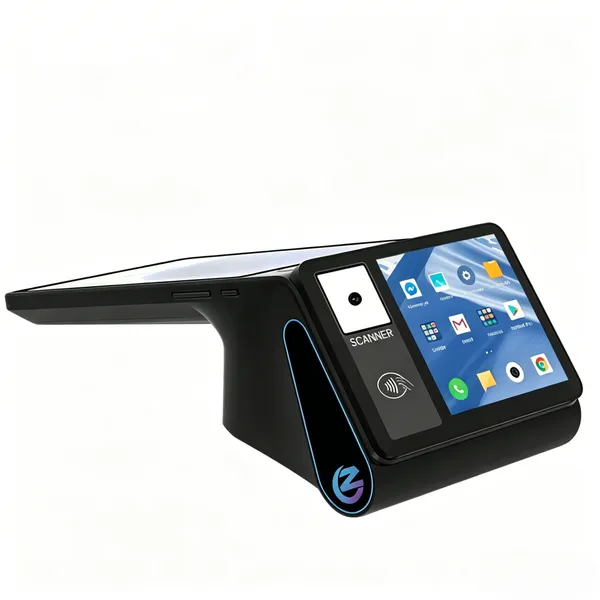
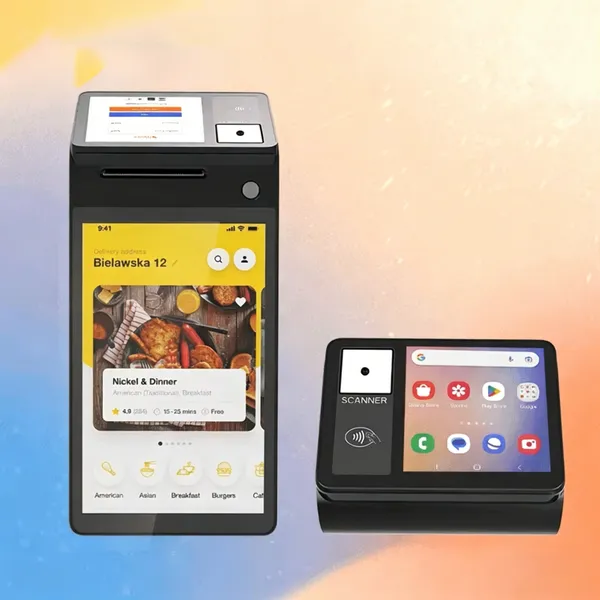
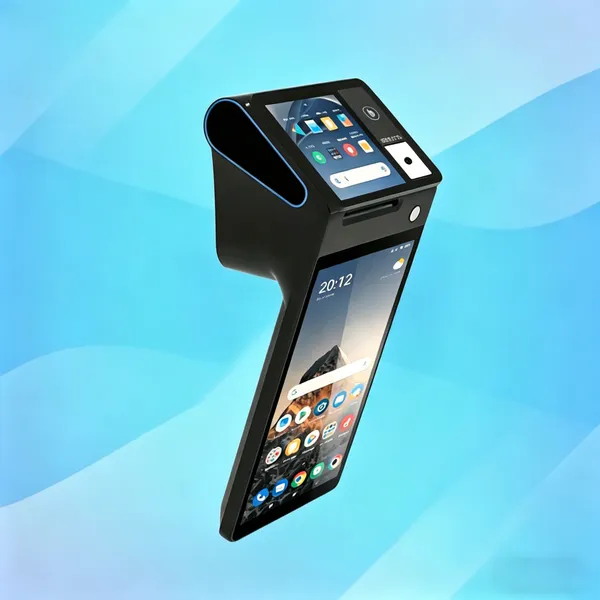
POS Terminal Receipt Printer 2.26/3.95 Inch Customer Screen Android 14 Support 4G:FDD-LTE,TD-LTE 3G: WCDMA 2G: GSM,GPRS Hot Spot 3GB Ram +16GB ROM&NFCUS$ 219 - 369MOQ: 1 Unit
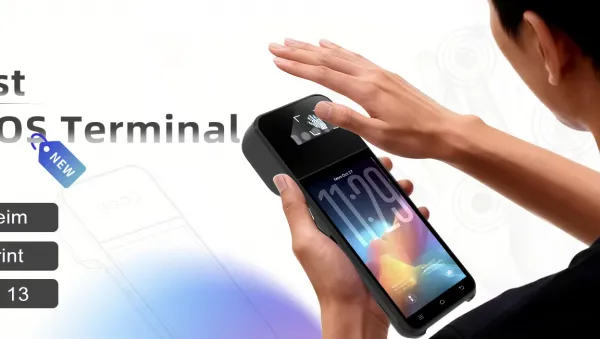
-
Z108P Handheld Printer Mobile POS Machine 5.5\" Touch Screen 58mm Thermal Printer for Warehouse Inventory Logistics Retail POS SystemUS$ 219 - 309MOQ: 1 Unit
-
Z108P Contactless Palm Vein Biometric POS Terminal Handheld PDA Printer Mobile POS Machine Terminal Printer Android 14 Built-in Google Play and NFCUS$ 219 - 309MOQ: 1 Unit
-
Z108P New Dual Screen Palm Vein POS, PDA Thermal Receipt Printer 5.6\" High Resolution and Clear Touch Screen Thermal Printer NFC for Chain RestaurantUS$ 219 - 309MOQ: 1 Unit
-
All-in-One Desktop Biometric Payment Barcode Scanner 2D 1D Handheld POS Terminal 5.5-inch Touchscreen PDA for Beauty & Clothing Chain StoreUS$ 219 - 309MOQ: 1 Unit
-
Z108P Secure Palm Vein POS System,Dual SIM PSAM Slot Multi-Port Terminal,EMV CE FCC Certified for Large Retail & Catering Business Handheld/DesktopUS$ 219 - 309MOQ: 1 Unit
-
Z92P Palm Vein Handheld POS Terminal, Android13 All-in-One Machine POS PDA Receipt/Label Printer,Symcode Android 14 Handheld POS Printer 3GB+32GBUS$ 219 - 260MOQ: 1 Unit
-
Z92P Portable Biometric POS Cash Register Receipt Printer, Handheld 4G PDA Terminal for Android 14 1D 2D Barcode Scanner Handhold POSUS$ 219 - 260MOQ: 1 Unit
-
Handheld Mobile POS PDA Terminal, 58mm Receipt Printer, WiFi Bluetooth, Perfect to Manage Queues, Online, Mobile & Takeaway OrdersUS$ 219 - 260MOQ: 1 Unit
-
Generic Handheld POS Receipt Printer High Speed 58/80mm Thermal Printer for Efficient Operation, Ideal for Retail Shops,Warehouse ManagementUS$ 219 - 369MOQ: 1 Unit
-
Hard Case Compatible With Square Handheld - Portable POS - NFC Machine Point of Sale Card Reader Travel Case (Black) Z108US$ 219 - 369MOQ: 1 Unit
-
PDA Handheld POS Terminal, 4G WiFi BT Mobile Computer With NFC, 3600mAh Battery, for Warehouse Inventory Logistics Retail POS, Desktop POSUS$ 219 - 369MOQ: 1 Unit
-
Hilitand Thermal POS Receipt Printer, Handheld POS Terminal With 3.95 Inch Touchable Customer-ScreenThermal Printing for Retail Stores SUNMI/ZONSUS$ 219 - 369MOQ: 1 Unit
-
POS PDA Receipt Printer Android 14 and 58mm High Speed Thermal Printer 8'' Touch Screen. Handheld Mobil Point of Sale Tablet Support 5GUS$ 219 - 369MOQ: 1 Unit
-
Desktop POS Terminal, 8 Inch HD Screen 88mm Thermal Printer 3600 MAh Android POS Compatible With Loyverse IREAP for Retail RestaurantUS$ 219 - 369MOQ: 1 Unit
-
Handheld PDA Printer Smart POS Terminal Portable Printers Intelligent Payment Terminal Function BT/WiFi/USB OTG/ 3G CommunicationUS$ 219 - 369MOQ: 1 Unit