 Business License

POS Terminals 2026: The Future of Payments, AI, and Business Intelligence
POS Terminals in 2026: The Next Wave of Payments and Business Intelligence
The Point of Sale (POS) terminal industry is entering a transformative phase in 2026, driven by technological innovation, shifting consumer preferences, and the ongoing push toward cashless societies. No longer mere payment devices, POS terminals are now evolving into multifunctional business platforms that integrate payment processing, data analytics, inventory management, and customer engagement. Industry analysts note that this evolution is reshaping retail, hospitality, and service sectors globally.
Smart POS Terminals Dominate the Market
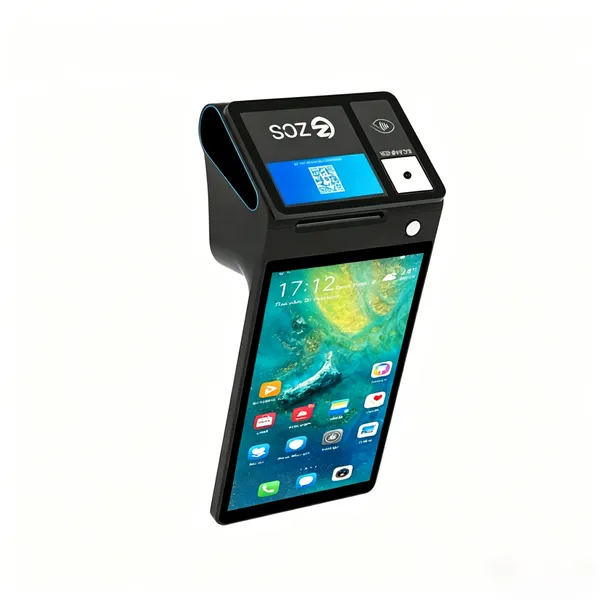
Smart POS terminals—devices operating on Android, iOS, or proprietary software—have seen widespread adoption across small and medium enterprises (SMEs) and large retailers. According to the latest data from the International POS Association (IPOSA), smart POS systems now represent nearly 52% of global POS shipments, up from 41% in 2025. These devices allow businesses to integrate third-party apps, manage inventory, track real-time sales, and even run loyalty programs directly from the terminal.
The shift is partly pandemic-driven but continues to accelerate due to the rise of omnichannel retail. Businesses increasingly require POS systems that can process online orders, support curbside pickup, and facilitate contactless transactions—all from a single device. SMEs, in particular, are drawn to these systems for their flexibility and cost efficiency, replacing traditional cash registers and legacy POS units.
Contactless Payments and Mobile Wallets Lead the Way
Contactless payments have become the baseline expectation for consumers in 2026. According to the Worldpay Global Payments Report 2026, contactless transactions now account for 58% of all in-store card payments, a significant increase from 45% in 2024. Consumers increasingly prefer NFC-enabled cards, QR codes, and mobile wallets such as Apple Pay, Google Wallet, Alipay, and WeChat Pay.
Retailers are also responding with hardware upgrades. POS terminals now feature faster NFC chips, enhanced encryption, and seamless integration with digital wallet apps. In Asia-Pacific, over 60% of in-store transactions in urban centers are now conducted via mobile devices, while North America and Europe are catching up, reflecting the global momentum toward cashless and contactless commerce.
Cloud-Based POS and Advanced Analytics
Cloud-based POS systems are now the industry standard. By leveraging cloud infrastructure, merchants can monitor sales, manage inventory, and access analytics from multiple locations in real-time. For franchises and multi-branch retailers, this centralized visibility is proving invaluable.
AI-driven analytics integrated into POS systems is another growing trend. Predictive models now allow businesses to forecast inventory needs, optimize pricing strategies, and launch personalized promotions. Retailers report that AI-enabled POS insights can boost sales efficiency by up to 15%, highlighting the system’s strategic value beyond simple transaction processing.
Enhanced Security and Regulatory Compliance
As digital transactions increase, security concerns remain top of mind. POS terminals in 2026 feature end-to-end encryption, tokenization, biometric authentication, and compliance with the latest PCI DSS standards. Fraud detection algorithms have become more sophisticated, leveraging AI to identify unusual patterns in real-time.
At the same time, data privacy regulations are shaping the industry. Countries in Europe, North America, and Asia are enforcing stricter consumer data protection laws, prompting POS providers to invest heavily in secure hardware, encrypted software updates, and robust compliance measures.
Emerging Technologies: AI, IoT, and Cryptocurrency Payments
Artificial intelligence (AI) and the Internet of Things (IoT) are reshaping POS functionality. AI enables predictive analytics, optimizing sales strategies and inventory management, while IoT integration allows POS terminals to communicate with smart shelves, connected scales, and other devices to streamline store operations.
Cryptocurrency payments are gaining traction in select markets. In 2026, several POS providers have introduced Bitcoin, Ethereum, and stablecoin acceptance, catering to tech-savvy consumers and retail environments exploring blockchain-based payments. Analysts predict that as regulatory clarity improves, crypto-enabled POS systems could see adoption rates rise sharply in urban centers worldwide.
Market Outlook and Challenges
The global POS terminal market is projected to grow at a compound annual growth rate (CAGR) of 9% through 2030, driven by cloud adoption, mobile payments, and AI-enhanced solutions. Asia-Pacific remains the largest regional market, followed by North America and Europe, reflecting high digital payment penetration and technological adoption.
However, the industry faces challenges. Competitive pressure is intense, particularly for smaller POS providers competing with global leaders offering integrated, AI-driven solutions. Additionally, evolving cybersecurity threats and compliance requirements continue to demand innovation and investment.
Conclusion
The POS terminal industry in 2026 is no longer just about payments—it is at the intersection of commerce, technology, and data intelligence. Smart, cloud-connected, and AI-enabled devices are redefining retail and service operations, offering businesses actionable insights and streamlined operations. Merchants who adopt these advanced solutions, prioritize security, and embrace emerging payment technologies are positioned to thrive in a fast-evolving market. As POS systems continue to innovate, their role will expand far beyond transactions, becoming strategic tools for growth, efficiency, and customer engagement.
Recently Posted
-
The Role of POS Systems in Hotel Front Desk and Restaurant Management
June 17, 2026In the hotel industry, guest experience is everything. From check-in to dining to checkout, every interaction matter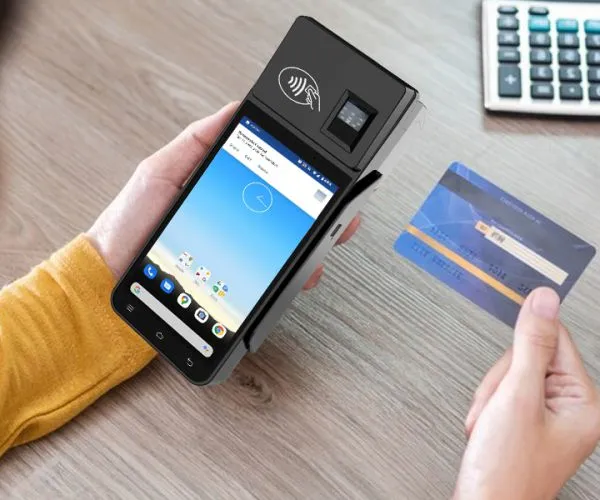 Read More
 -
How POS Systems Improve Order and Checkout Efficiency in Restaurants
June 17, 2026In a busy restaurant, speed and accuracy are everything. A delayed order or billing mistake can affect customer sati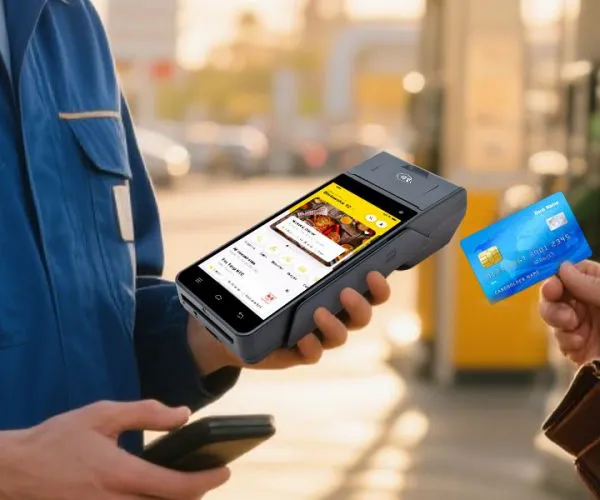 Read More
 -
How POS Systems Help Retailers Manage Inventory and Sales Efficiently
June 16, 2026In today’s fast-moving retail world, managing inventory and sales manually is no longer practical. Customers expect products to be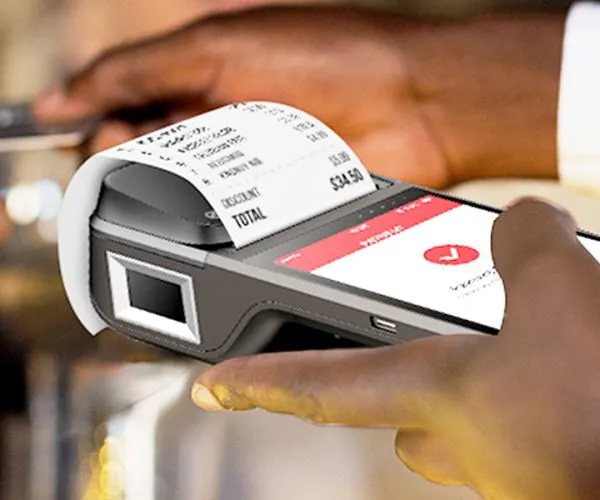 Read More
 -
Payment Options Explained: Cards, NFC, and QR Codes in Modern POS Machines
June 16, 2026Modern POS machines are like multilingual payment translators. Whether a customer inserts a card, taps a phone, or scans a QR code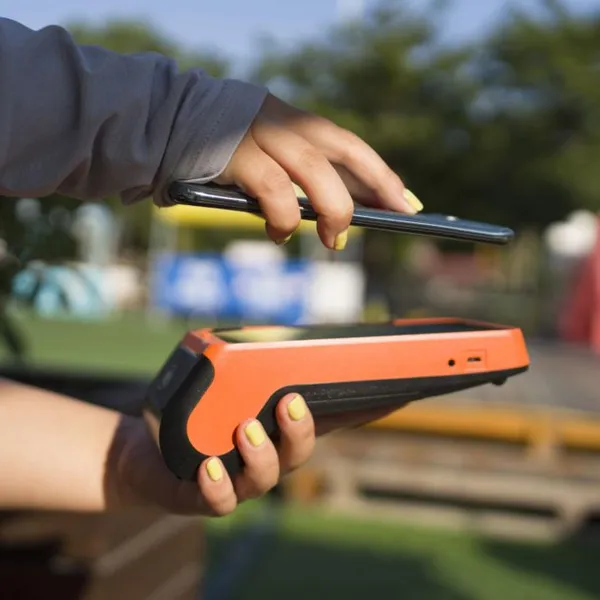 Read More

Contact Us
Recommended Products
-
 Z92P Secure Handheld Payment Terminal,Octa-Core Android POS With Dual SIM Slot,5MP Barcode Scanner Support Fiscal Module for Pharmacy & Kiosk CheckoutUS$ 219 - 260MOQ: 1 Unit
 -
Z92P Portable Biometric POS Cash Register,Built-in Palm Vein Recognition + Thermal Receipt Printer,4G LTE GPS BT for Food Truck & Convenience StoreUS$ 219 - 260MOQ: 1 Unit
-
Z92P Contactless Palm Vein Payment PDA,5.5 Inch HD Touch Screen,EMV PCI Certified MSR IC NFC Reader Compatible With Loyverse IREAP for Small BusinessUS$ 219 - 260MOQ: 1 Unit
-
Z92P Palm Vein Handheld POS Terminal, Android13 All-in-One Machine With 58mm Thermal Printer,NFC 1D/2D QR Scanner 4G WiFi for Retail & Gas StationUS$ 219 - 260MOQ: 1 Unit
-
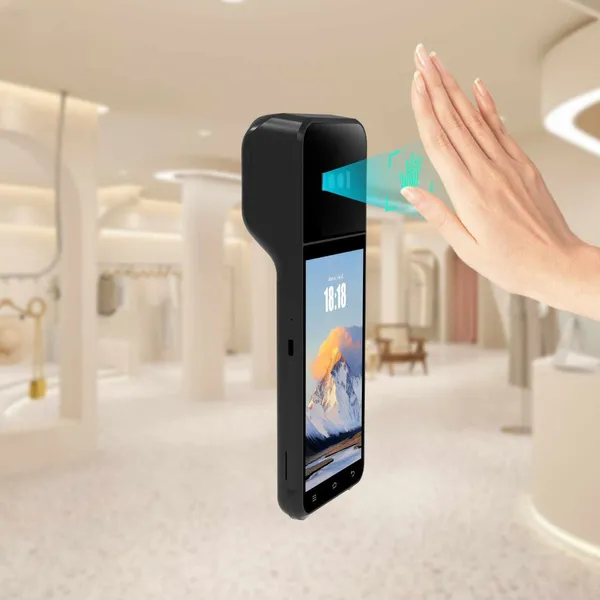
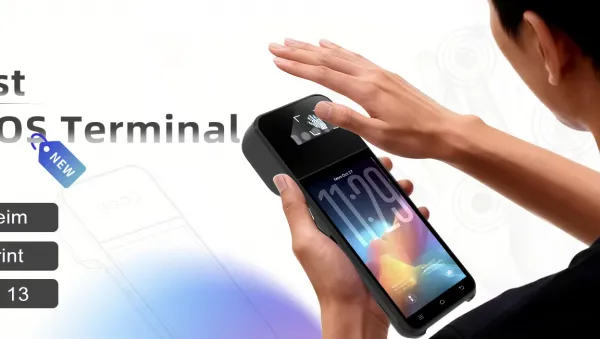
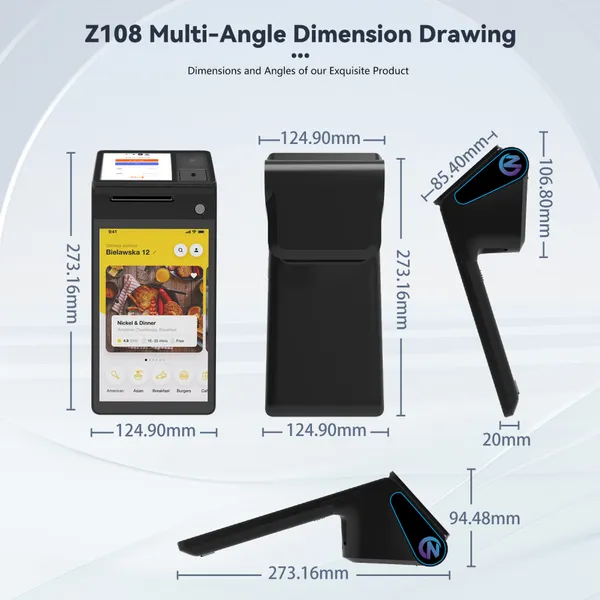
Z108P Secure Palm Vein POS System,Dual SIM PSAM Slot Multi-Port Terminal,EMV CE FCC Certified for Large Retail & Catering BusinessUS$ 219 - 309MOQ: 1 Unit


-
All-in-One Desktop Biometric Payment POS,Optional Fiscal Module & Cash Drawer,58/80mm Selectable Thermal Printing for Beauty & Clothing Chain StoreUS$ 219 - 309MOQ: 1 Unit
-
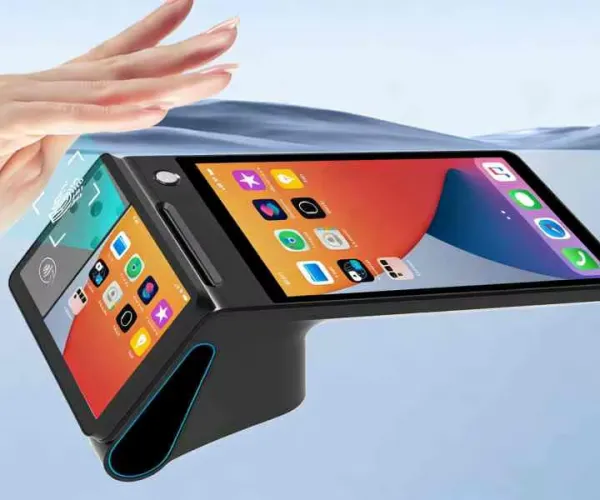
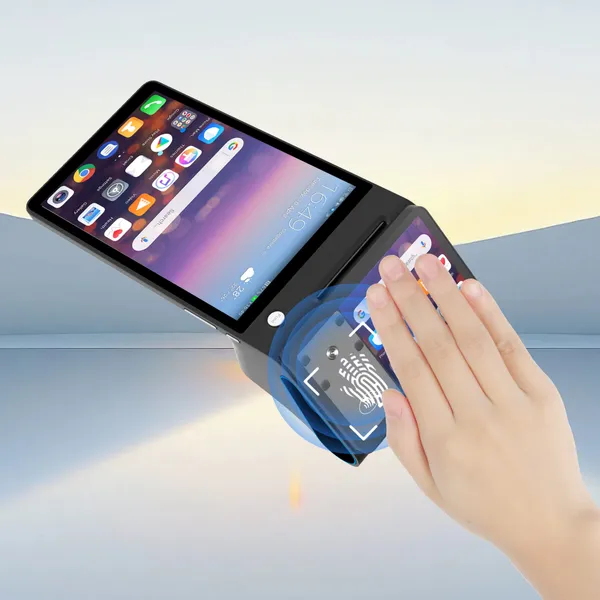
Z108P Flagship Dual Display POS Cashier Machine,Palm Vein Authentication + 5MP QR Scanner,GMS Certified 4G WiFi BT for Pharmacy & Grocery MartUS$ 219 - 309MOQ: 1 Unit
-
Z108P Contactless Palm Vein Biometric POS Terminal,3GB+16GB Up to 4GB+64GB,5-in-1 Card Reader Multi RJ45 RJ11 Port for Supermarket RetailUS$ 219 - 309MOQ: 1 Unit
-
Z108P New Dual Screen Palm Vein Desktop POS,Android14 8 Inch Cash Register With Optional 80mm Auto-Cutter Thermal Printer NFC for Chain RestaurantUS$ 219 - 309MOQ: 1 Unit
-
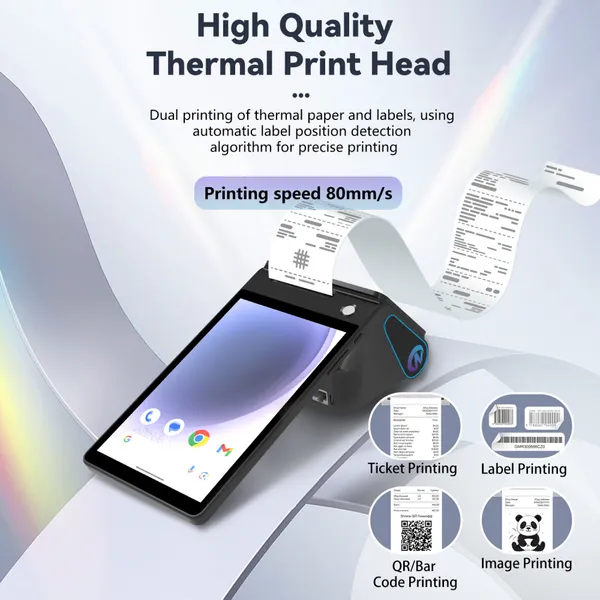
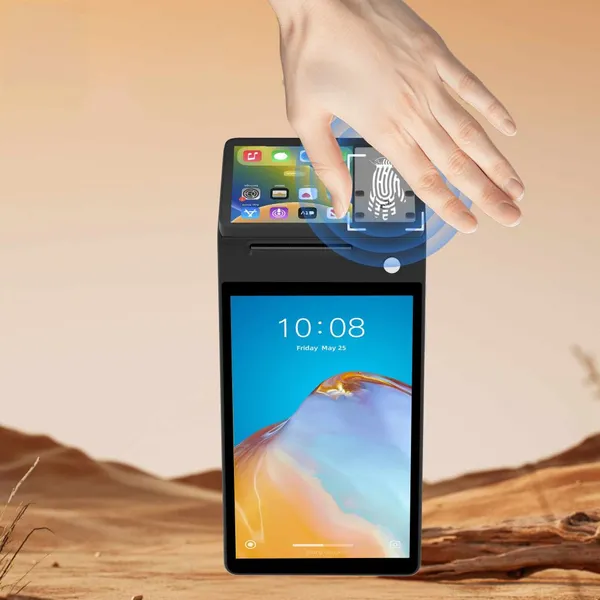
Z108 New Release Android POS Cash Register, Upgraded Thermal Printer 4GB+64GB Storage Wireless 4G POS Compatible With Global Retail POS SoftwareUS$ 219 - 369MOQ: 1 Unit
-
Marhynchus POS Receipt Printer Handheld Thermal Printer Thermal Printing 2GB 16GB WiFi BT 5.0 NFC 4G for Retail Stores Restaurants ZONS BrandUS$ 219 - 369MOQ: 1 Unit
-
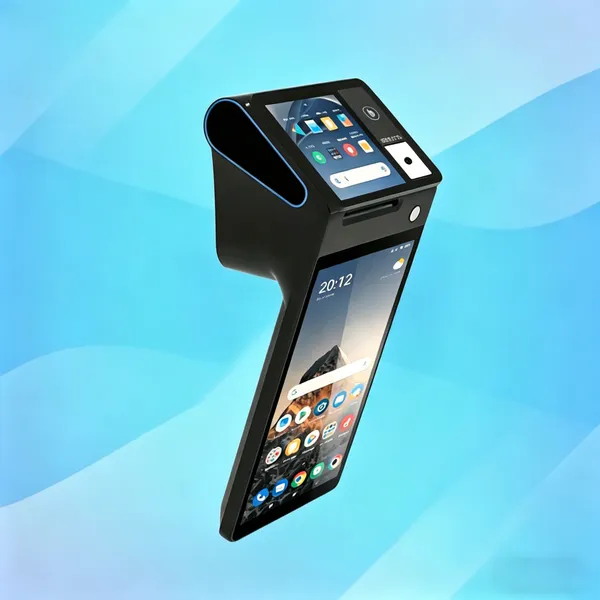
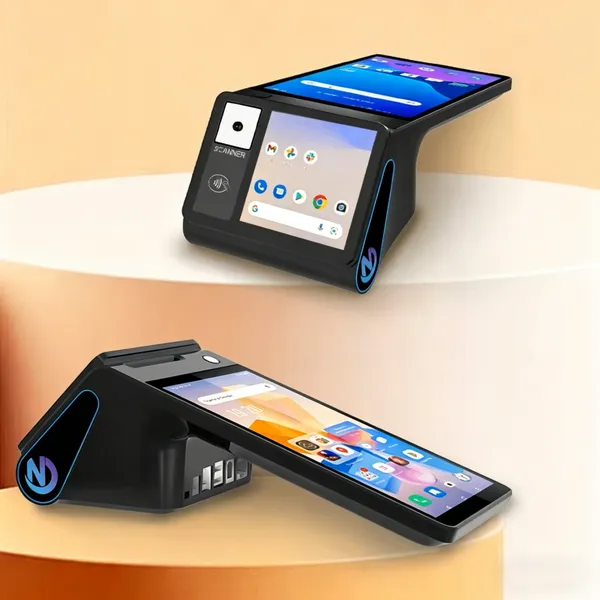
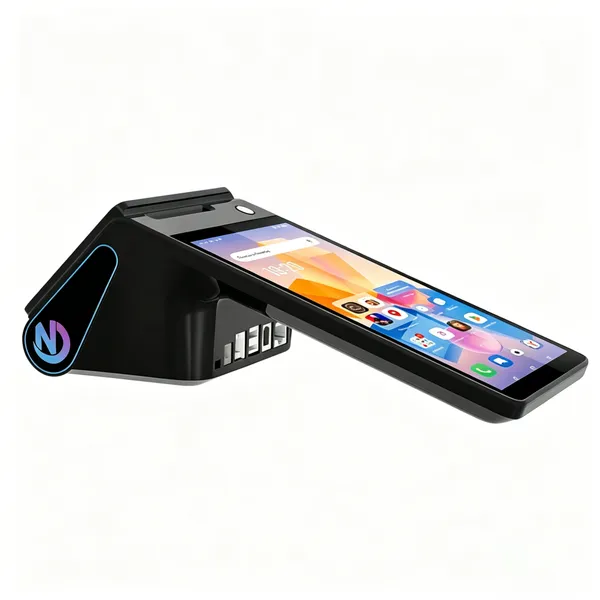
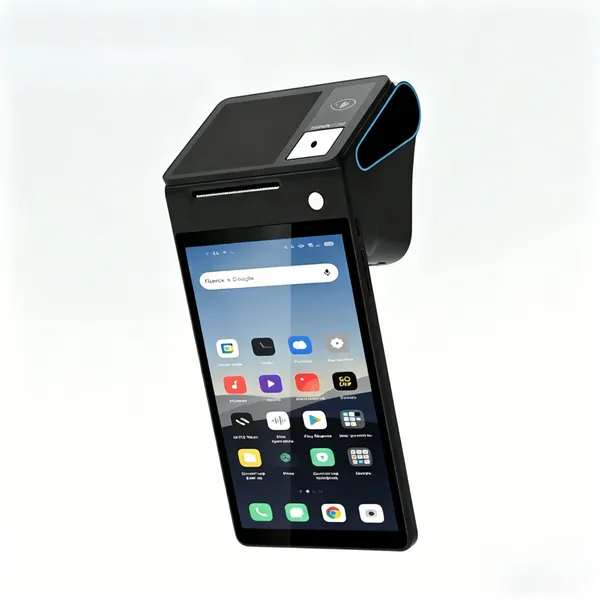
POS Terminal Receipt Printer 2.26/3.95 Inch Customer Screen IPS HD 8 Inch Touch Screen Scanning Thermal Printing Handheld Mobile POSUS$ 219 - 369MOQ: 1 Unit
-
Generic Handheld POS Receipt Printer High Speed 58/80mm Thermal Printer for Efficient Operation, Ideal for Retail Shops,Warehouse ManagementUS$ 219 - 369MOQ: 1 Unit
-
Hard Case Compatible With Square Handheld - Portable POS - NFC Machine Point of Sale Card Reader Travel Case (Black) Z108US$ 219 - 369MOQ: 1 Unit
-
PDA Handheld POS Terminal, 4G WiFi BT Mobile Computer With NFC, 3600mAh Battery, for Warehouse Inventory Logistics Retail POS, Desktop POSUS$ 219 - 369MOQ: 1 Unit
-
Hilitand Thermal POS Receipt Printer, Handheld POS Terminal With 3.95 Inch Touchable Customer-ScreenThermal Printing for Retail Stores SUNMI/ZONSUS$ 219 - 369MOQ: 1 Unit
-
Hilitand Thermal POS Receipt Printer, Handheld POS Terminal With 3.95 Inch Touchable Customer-ScreenThermal Printing for Retail Stores SUNMI/ZONSUS$ 219 - 369MOQ: 1 Unit
-
POS PDA Receipt Printer Android 14 and 58mm High Speed Thermal Printer 8'' Touch Screen. Handheld Mobil Point of Sale Tablet Support 5GUS$ 219 - 369MOQ: 1 Unit
-
Desktop POS Terminal, 8 Inch HD Screen 88mm Thermal Printer 3600 MAh Android POS Compatible With Loyverse IREAP for Retail RestaurantUS$ 219 - 369MOQ: 1 Unit
-
Handheld PDA Printer Smart POS Terminal Portable Printers Intelligent Payment Terminal Function BT/WiFi/USB OTG/ 3G CommunicationUS$ 219 - 369MOQ: 1 Unit