 Business License

Success Story: How a Small Retail Business Increased Revenue with the Right POS System
Introduction
For many small business owners, increasing sales is not only about attracting more customers. Sometimes, the real opportunity lies in improving daily operations, serving customers more efficiently, and making better business decisions.
This is the story of how a small retail store transformed its operations and significantly increased revenue after implementing the right POS system.
While the business in this case is fictional, the challenges and solutions are based on real situations experienced by thousands of retailers around the world.
The Challenge: Growing Sales but Growing Problems
Emma owned a neighborhood convenience store that had been operating for nearly five years. Her business was doing reasonably well. The store sold snacks, beverages, household items, and daily necessities to local residents.
However, as customer traffic increased, new problems began to appear.
Every day, Emma and her staff faced several challenges:
Long checkout lines during peak hours
Frequent pricing mistakes
Difficulty tracking inventory
Running out of popular products unexpectedly
Limited understanding of customer purchasing behavior
Time-consuming end-of-day reporting
The store still relied on a traditional cash register and manual inventory records.
At first, these methods seemed sufficient. But as the business grew, manual processes became obstacles rather than solutions.
Emma realized that she was spending more time fixing problems than focusing on business growth.
The Turning Point
One weekend, the store experienced an unusually busy period.
Customers waited in long lines, employees struggled to manually enter product prices, and several popular items were already out of stock.
One customer even left the store without making a purchase because the line was too long.
That evening, Emma asked herself a difficult question:
"How much business am I losing simply because my operations cannot keep up?"
She decided it was time to upgrade her system.
After researching different options, she chose a modern Android POS system that
included:
Touchscreen operation
Barcode scanning
Real-time inventory tracking
Digital sales reports
Multiple payment methods
Cloud-based data access
The goal was not simply to process payments faster. The goal was to manage the entire business more intelligently.
Phase One: Faster Checkout Experience
The first improvement became visible almost immediately.
Previously, employees manually entered product prices. Now, they simply scanned barcodes.
The new system automatically:
Retrieved product information
Applied correct pricing
Calculated totals
Processed payments
Printed receipts
Average checkout time dropped significantly.
Customers noticed the difference.
Long queues became shorter, and shopping felt more convenient.
For a neighborhood store where many customers visited during lunch breaks or after work, even saving one or two minutes per transaction made a major difference.
Better service encouraged more customers to complete purchases instead of leaving due to long waiting times.
Phase Two: Smarter Inventory Management
Before implementing the POS system, inventory management was one of Emma's biggest headaches.
Popular products frequently sold out.
Meanwhile, some slow-moving items occupied shelf space for months.
Because inventory records were updated manually, it was difficult to know exactly what was happening inside the store.
The new POS system changed everything.
Every sale automatically updated inventory data in real time.
Emma could instantly see:
Current stock levels
Best-selling products
Slow-moving items
Products requiring replenishment
For the first time, inventory decisions were based on facts rather than assumptions.
Within a few months:
Stock shortages decreased significantly.
Inventory waste was reduced.
Shelf management improved.
Most importantly, customers were more likely to find the products they wanted.
Satisfied customers tend to return.
Phase Three: Better Understanding of Customers
One unexpected benefit of the POS system was data visibility.
Previously, Emma had little understanding of customer purchasing patterns.
The POS reports began revealing useful information:
Which products sold best during weekends
Which items were commonly purchased together
Peak shopping hours
Seasonal demand changes
One report showed that customers frequently purchased coffee together with packaged snacks during the morning.
Emma responded by placing these products near each other and offering promotional bundles.
Sales of both product categories increased.
Another report showed that bottled water sales surged during summer months.
The store increased inventory ahead of the next season and avoided stock shortages.
Data was helping Emma make smarter decisions every day.
Phase Four: Accepting More Payment Methods
Another important improvement came from payment flexibility.
The new POS system supported:
Credit cards
Debit cards
NFC payments
Mobile wallets
QR code payments
Customers appreciated having more payment options.
Some younger customers preferred paying with smartphones.
Others preferred contactless card payments.
By offering convenient payment methods, the store created a smoother shopping experience.
The easier it became to pay, the easier it became to sell.
Phase Five: Saving Time for Business Growth
Before adopting the POS system, Emma spent hours every week:
Counting inventory
Calculating sales manually
Reconciling reports
Investigating errors
The new system automated many of these tasks.
Sales reports were generated instantly.
Inventory updates happened automatically.
Transaction records were stored digitally.
This saved several hours every week.
More importantly, Emma could now focus on activities that actually helped the business grow:
Improving product selection
Enhancing store displays
Training employees
Planning promotions
Building customer relationships
The POS system did not replace management—it gave the owner more time to manage effectively.
The Results After One Year
After twelve months, the store experienced significant improvements.
Faster Operations
Checkout times became shorter and customer flow improved.
Improved Customer Satisfaction
Customers enjoyed quicker service and more payment choices.
Better Inventory Control
Popular products remained available while inventory waste decreased.
Smarter Business Decisions
Reports provided valuable insights into sales trends and customer behavior.
Revenue Growth
The combination of operational efficiency and better decision-making led to noticeable revenue growth.
Perhaps most importantly, Emma no longer felt overwhelmed by daily operations.
She was finally running the business instead of constantly reacting to problems.
Why the Right POS System Matters
Many business owners view a POS machine as merely a payment device.
In reality, a modern POS system can become one of the most valuable management tools in a business.
It helps companies:
Process transactions faster
Improve customer experience
Understand sales performance
Manage inventory more efficiently
Save valuable time
Support long-term growth
Technology alone does not guarantee success.
However, when the right tools are combined with good management and customer-focused service, remarkable improvements become possible.
Conclusion
The success of Emma's store demonstrates an important lesson for businesses of all sizes:
Growth is not always about working harder—it is often about working smarter.
A modern POS system does far more than accept payments. It connects sales, inventory, customer experience, and business data into one efficient platform.
For small retailers, restaurants, cafés, and growing businesses, investing in the right POS solution can unlock opportunities that were previously hidden by manual processes and operational inefficiencies.
Sometimes, a simple technology upgrade is not just an expense.
It is the first step toward building a more efficient, profitable, and customer-focused business.
Recently Posted
-
The Growth of Mobile POS in Global Markets: Why Portable Payment Solutions Are Becoming the Future
July 24, 2026IntroductionThe way businesses accept payments is changing rapidly.In the past, customers usually had to walk to a fixed checkout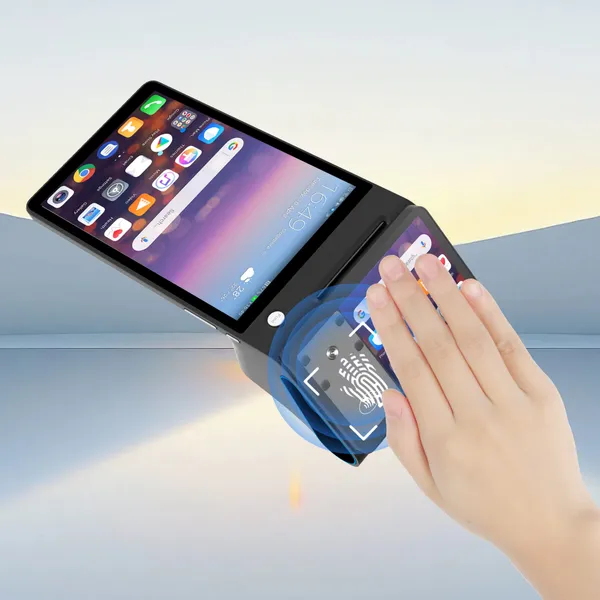 Read More
 -
Why Android POS Is Replacing Traditional POS Systems
July 24, 2026IntroductionFor many years, traditional POS systems dominated the retail and hospitality industries.Businesses relied on fixed ter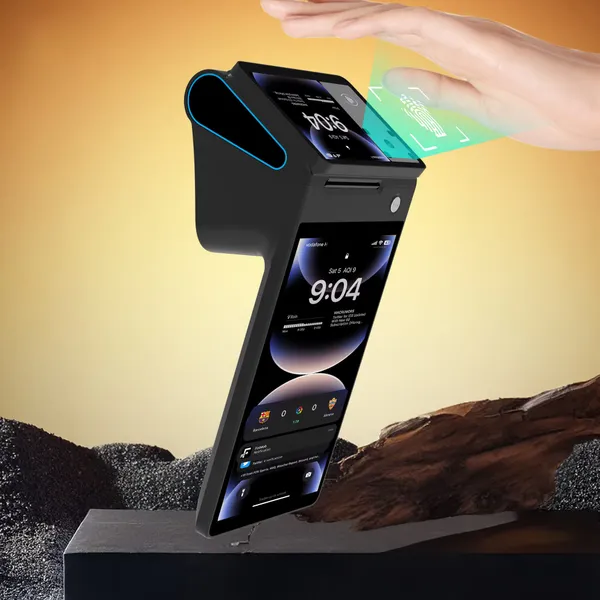 Read More
 -
POS Market Trends 2026: What Businesses Need to Know
July 24, 2026IntroductionThe global POS market is experiencing significant transformation.For decades, POS terminals were mainly used as simple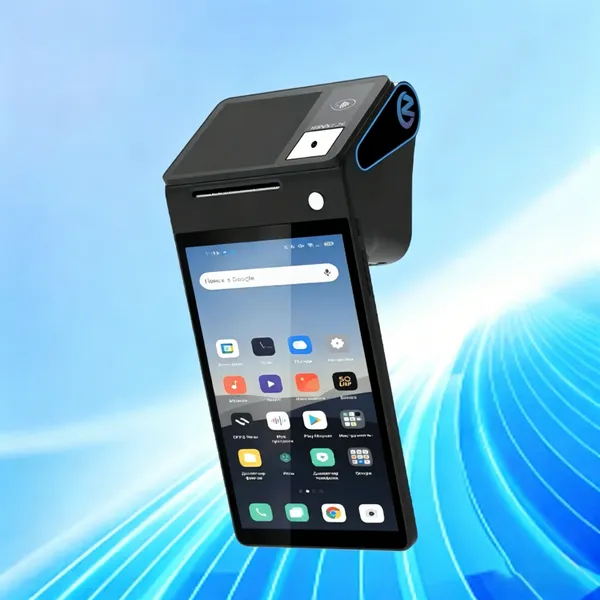 Read More
 -
Why Global Businesses Choose Professional POS Hardware Suppliers
July 23, 2026IntroductionThe global POS market continues to grow as businesses increasingly adopt digital payment and smart management solution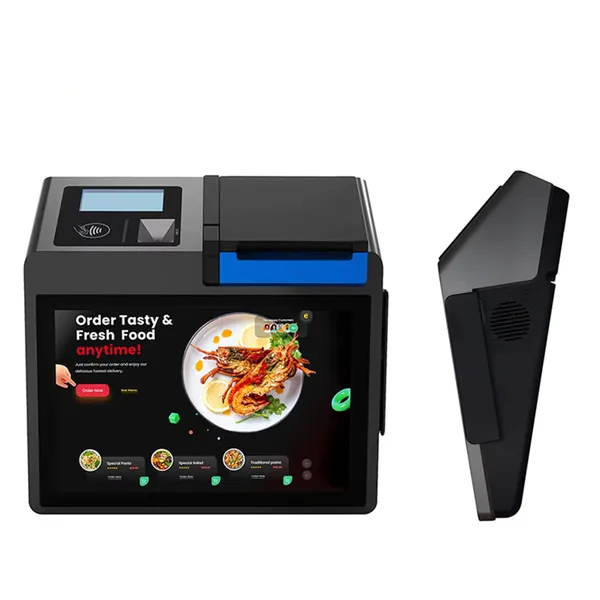 Read More

Contact Us
Recommended Products
-
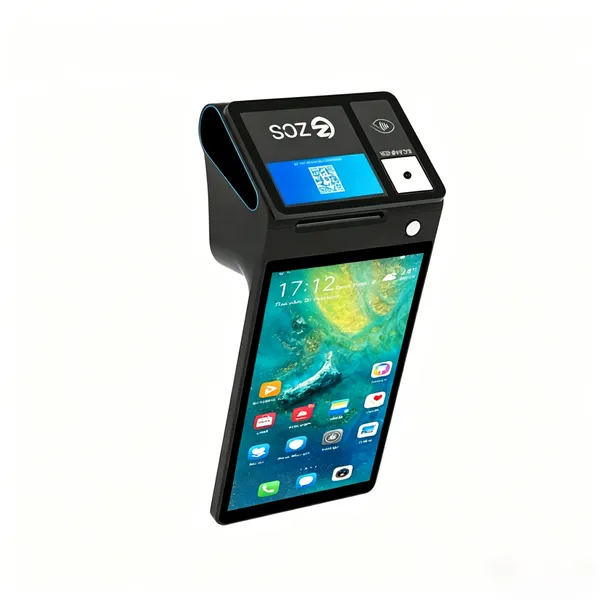
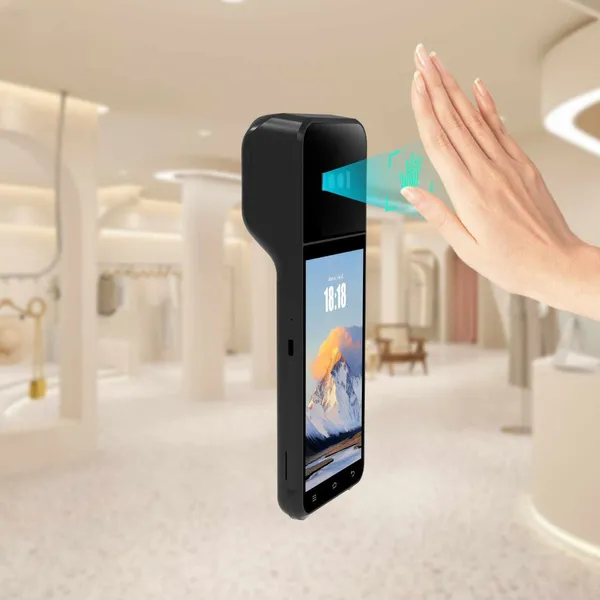
 Z92P Contactless Palm Vein Payment POS Receipt Printer Handheld 4G 1D 2D QR NFC Thermal Printer With 5.0MP Camera,for Supermarket Small BusinessUS$ 219 - 260MOQ: 1 Unit
 -
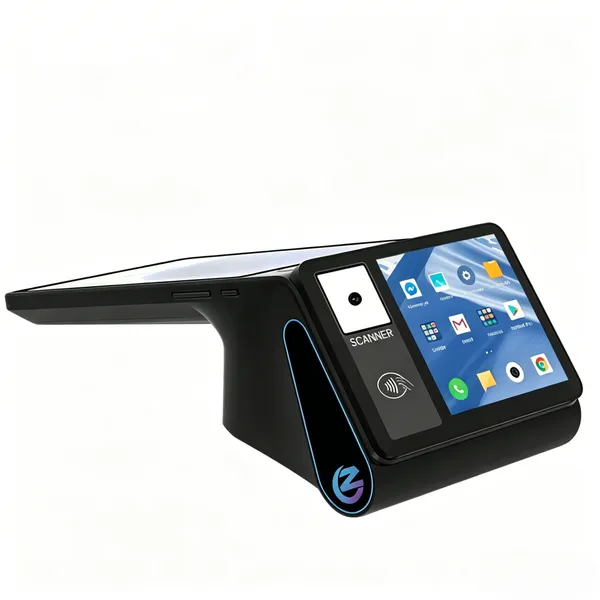
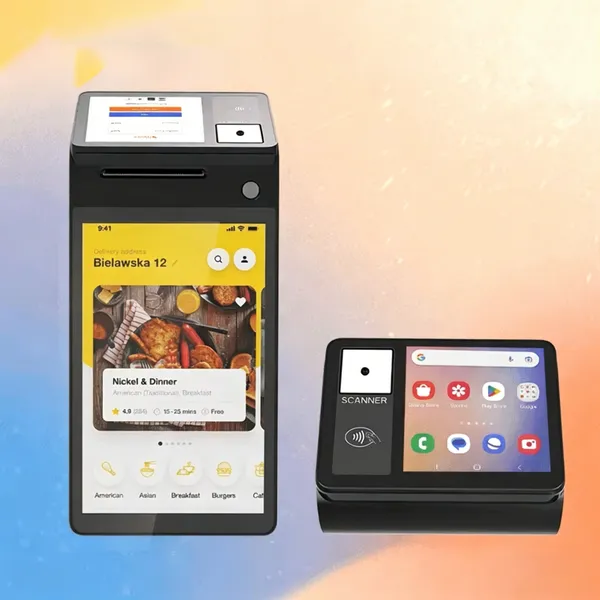
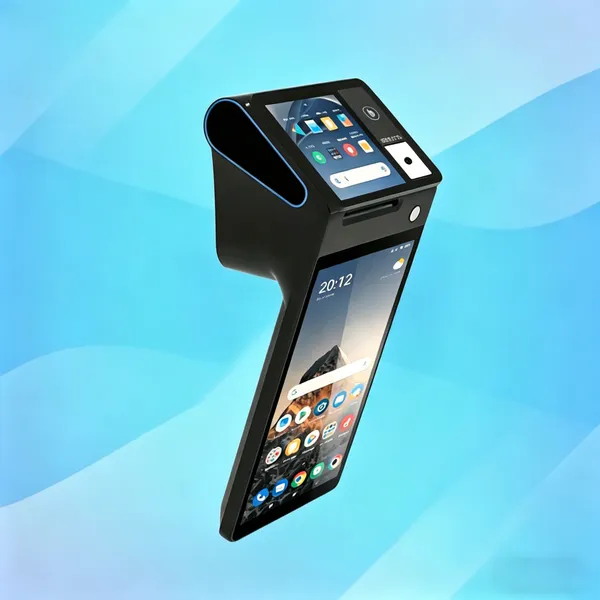
ZONS Thermal POS Receipt Printer, Handheld POS Terminal With 3.95 Inch Touchable Customer-ScreenThermal Printing for Retail Stores SUNMI/ZONSUS$ 219 - 369MOQ: 1 Unit
-
Marhynchus POS Receipt Printer Handheld Thermal Printer Handheld Point of Sale With NFC + Professional Barcode Scanner. 4G Network, 3GB Ram+32GB ROMUS$ 219 - 369MOQ: 1 Unit
-
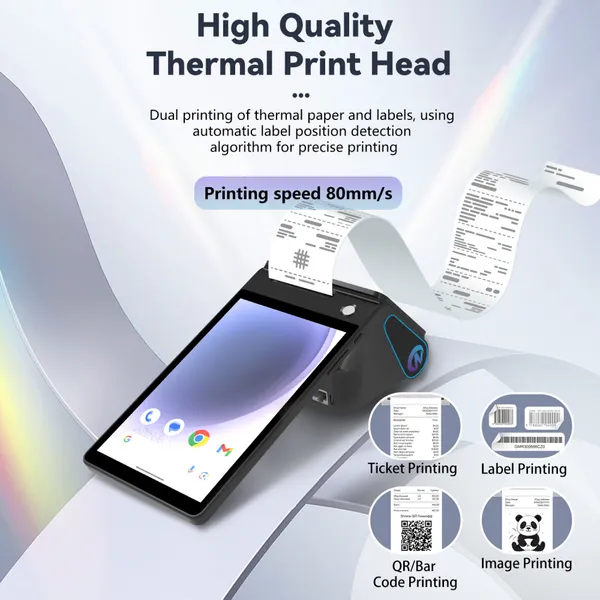
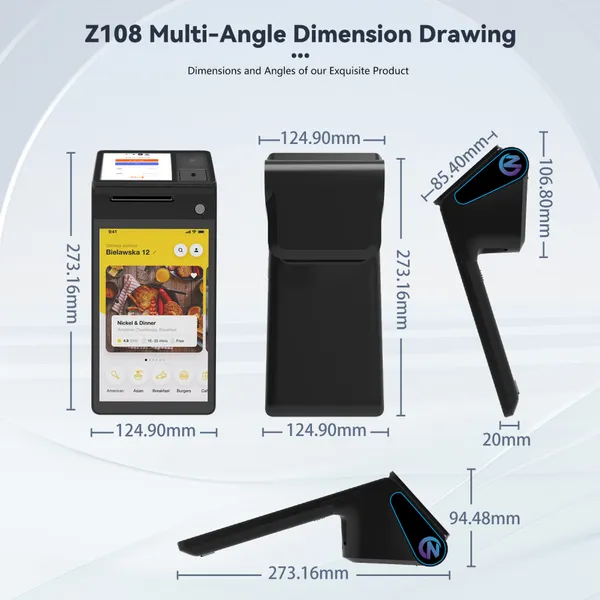
Z108 New Release Android POS Cash Register, Receipt Printer Android 14 and 58mm Thermal Printer 5.5’ Touch Screen With Global Retail POS SoftwareUS$ 219 - 369MOQ: 1 Unit
-
POS Terminal Receipt Printer 2.26/3.95 Inch Customer Screen Android 14 Support 4G:FDD-LTE,TD-LTE 3G: WCDMA 2G: GSM,GPRS Hot Spot 3GB Ram +16GB ROM&NFCUS$ 219 - 369MOQ: 1 Unit
-
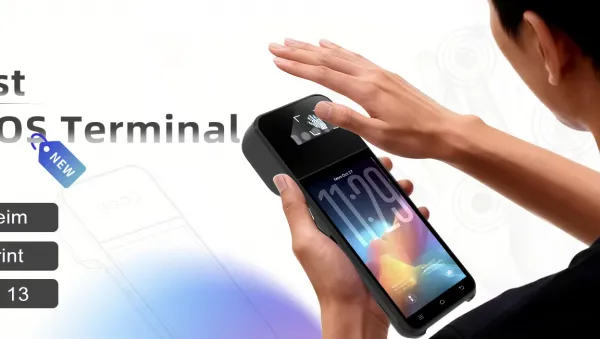
Z108P Handheld Printer Mobile POS Machine 5.5\" Touch Screen 58mm Thermal Printer for Warehouse Inventory Logistics Retail POS SystemUS$ 219 - 309MOQ: 1 Unit
-
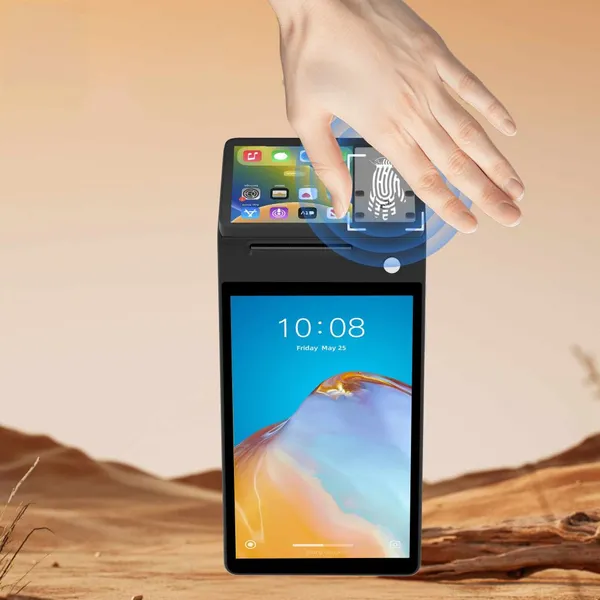
Z108P Contactless Palm Vein Biometric POS Terminal Handheld PDA Printer Mobile POS Machine Terminal Printer Android 14 Built-in Google Play and NFCUS$ 219 - 309MOQ: 1 Unit
-
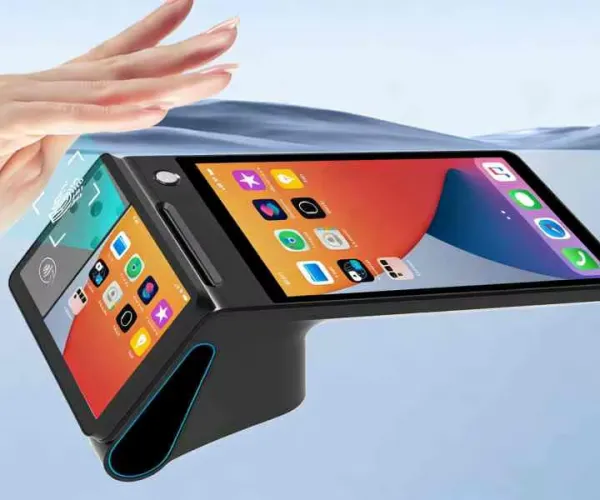
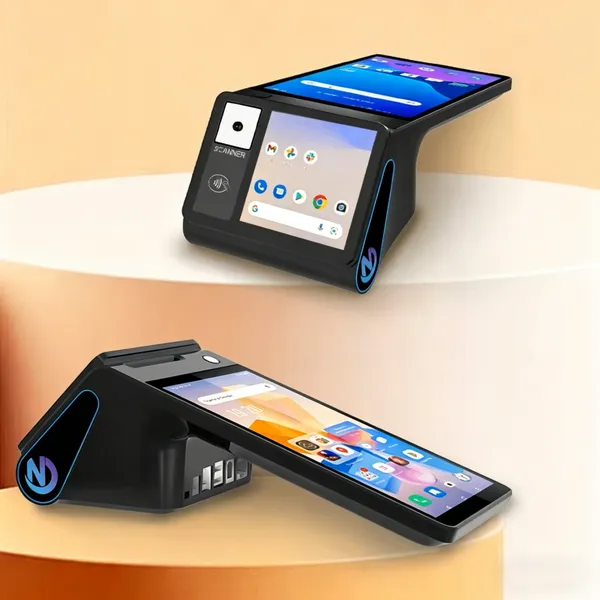
Z108P New Dual Screen Palm Vein POS, PDA Thermal Receipt Printer 5.6\" High Resolution and Clear Touch Screen Thermal Printer NFC for Chain RestaurantUS$ 219 - 309MOQ: 1 Unit
-
All-in-One Desktop Biometric Payment Barcode Scanner 2D 1D Handheld POS Terminal 5.5-inch Touchscreen PDA for Beauty & Clothing Chain StoreUS$ 219 - 309MOQ: 1 Unit
-
Z108P Secure Palm Vein POS System,Dual SIM PSAM Slot Multi-Port Terminal,EMV CE FCC Certified for Large Retail & Catering Business Handheld/DesktopUS$ 219 - 309MOQ: 1 Unit
-
Z92P Palm Vein Handheld POS Terminal, Android13 All-in-One Machine POS PDA Receipt/Label Printer,Symcode Android 14 Handheld POS Printer 3GB+32GBUS$ 219 - 260MOQ: 1 Unit
-
Z92P Portable Biometric POS Cash Register Receipt Printer, Handheld 4G PDA Terminal for Android 14 1D 2D Barcode Scanner Handhold POSUS$ 219 - 260MOQ: 1 Unit
-
Handheld Mobile POS PDA Terminal, 58mm Receipt Printer, WiFi Bluetooth, Perfect to Manage Queues, Online, Mobile & Takeaway OrdersUS$ 219 - 260MOQ: 1 Unit
-
Generic Handheld POS Receipt Printer High Speed 58/80mm Thermal Printer for Efficient Operation, Ideal for Retail Shops,Warehouse ManagementUS$ 219 - 369MOQ: 1 Unit
-
Hard Case Compatible With Square Handheld - Portable POS - NFC Machine Point of Sale Card Reader Travel Case (Black) Z108US$ 219 - 369MOQ: 1 Unit


-
PDA Handheld POS Terminal, 4G WiFi BT Mobile Computer With NFC, 3600mAh Battery, for Warehouse Inventory Logistics Retail POS, Desktop POSUS$ 219 - 369MOQ: 1 Unit
-
Hilitand Thermal POS Receipt Printer, Handheld POS Terminal With 3.95 Inch Touchable Customer-ScreenThermal Printing for Retail Stores SUNMI/ZONSUS$ 219 - 369MOQ: 1 Unit
-
POS PDA Receipt Printer Android 14 and 58mm High Speed Thermal Printer 8'' Touch Screen. Handheld Mobil Point of Sale Tablet Support 5GUS$ 219 - 369MOQ: 1 Unit
-
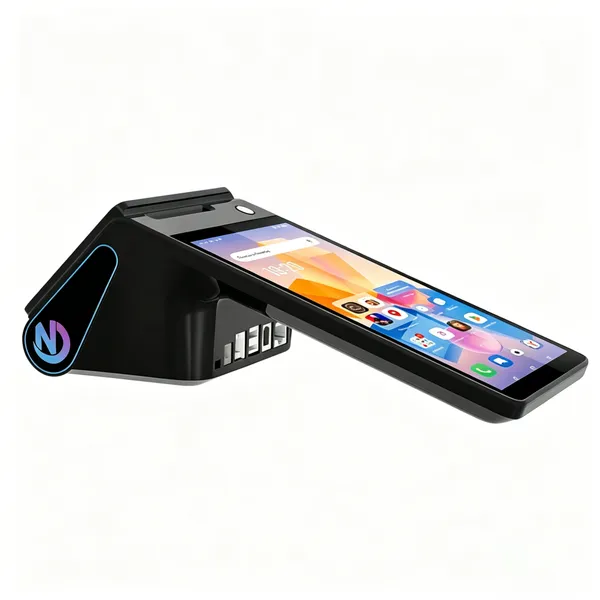
Desktop POS Terminal, 8 Inch HD Screen 88mm Thermal Printer 3600 MAh Android POS Compatible With Loyverse IREAP for Retail RestaurantUS$ 219 - 369MOQ: 1 Unit
-
Handheld PDA Printer Smart POS Terminal Portable Printers Intelligent Payment Terminal Function BT/WiFi/USB OTG/ 3G CommunicationUS$ 219 - 369MOQ: 1 Unit