 Business License

Choosing the Right POS Machine by Budget: Which POS Solution Fits Your Business?
Introduction
Investing in a Point of Sale (POS) system is an important decision for any business. A POS machine is no longer just a device for processing payments—it has become a central tool for managing transactions, improving efficiency, and enhancing customer experience.
However, not all businesses have the same requirements or budgets. A neighborhood convenience store has very different needs from a restaurant chain or a large supermarket. As a result, the "best" POS machine is not necessarily the most expensive one. The right solution is the one that matches your business size, operational requirements, and future growth plans.
Today, POS terminals are available at various price levels, ranging from affordable mobile devices to advanced all-in-one systems. Understanding the differences between these options can help business owners make smarter purchasing decisions and avoid unnecessary expenses.
This guide explores different price categories of POS machines and explains which types of businesses can benefit most from each solution.
Entry-Level POS Machines: Affordable Solutions for Startups
Entry-level POS machines are designed for businesses that need reliable payment processing without making a large initial investment.
These devices typically provide essential features such as:
Payment acceptance
Receipt printing
QR code scanning
Basic sales reporting
Wireless connectivity
Most entry-level systems are compact Android-based mobile POS terminals that are easy to set up and operate.
Who Should Choose Entry-Level POS Devices?
Small Retail Shops
Small convenience stores usually process moderate transaction volumes and do not require complicated checkout systems. An affordable POS machine can efficiently handle daily payments while keeping operating costs low.
Street Vendors and Market Sellers
Portability is critical for mobile businesses. A lightweight POS terminal allows vendors to accept card and contactless payments almost anywhere.
Pop-Up Stores
Temporary retail locations often need equipment that can be deployed quickly and moved easily. Entry-level POS devices offer flexibility without requiring extensive installation.
Startups
New businesses often need to control expenses carefully. Investing in an affordable POS machine allows entrepreneurs to digitize operations while preserving capital for inventory, marketing, and expansion.
Advantages of Entry-Level POS Systems
Lower hardware investment
Easy installation
Simple operation
Portable design
Quick staff training
For businesses with basic operational requirements, an affordable POS system can provide excellent value.
Mid-Range POS Machines: Balancing Cost and Functionality
As businesses grow, operational demands become more complex. Mid-range POS terminals provide additional features and better performance while remaining cost-effective.
These systems generally offer:
Faster processors
Larger displays
Better connectivity
Enhanced payment capabilities
Support for multiple applications
Integration with external devices
Many mid-range Android POS terminals include built-in barcode scanners and high-speed thermal printers, making them suitable for businesses with higher transaction volumes.
Who Should Choose Mid-Range POS Systems?
Restaurants and Cafés
Food service businesses require speed and efficiency. Staff need to process orders quickly and manage busy periods effectively.
A mid-range POS terminal can support:
Table ordering
Digital receipts
Multiple payment methods
Portable order management
Fashion Retail Stores
Clothing stores frequently deal with product variations, promotions, and seasonal sales. A more capable POS system helps improve checkout efficiency and inventory visibility.
Pharmacies
Pharmacies process a wide variety of products and often require barcode scanning and accurate transaction records. Mid-range devices offer sufficient processing power and reliability.
Specialty Retailers
Electronics stores, beauty stores, and gift shops often need more advanced reporting and customer management capabilities than entry-level systems can provide.
Advantages of Mid-Range POS Systems
Better performance
More hardware features
Improved customer experience
Greater operational flexibility
Ability to support business growth
For many small and medium-sized businesses, this category offers the best balance between affordability and functionality.
High-End POS Systems: Advanced Solutions for Large Businesses
High-end POS systems are designed for businesses with complex operational requirements and heavy transaction volumes.
These systems often include:
Large touchscreen displays
High-performance processors
Multiple peripheral connections
Advanced security features
Multi-device integration
Enterprise-level management capabilities
They are built to handle demanding business environments where reliability and efficiency are essential.
Who Should Choose High-End POS Systems?
Supermarkets
Large supermarkets process hundreds or even thousands of transactions every day. They require systems capable of managing:
Barcode scanners
Cash drawers
Customer displays
Electronic scales
Receipt printers
High transaction volumes
A powerful POS infrastructure is essential to maintain operational efficiency.
Restaurant Chains
Multi-location restaurant brands need standardized equipment that can support complex workflows and large customer volumes.
Hotels and Resorts
Hotels often require integrated systems for front desk operations, restaurant billing, and payment processing. High-end POS solutions provide the stability and performance necessary for these environments.
Large Retail Chains
Businesses operating multiple stores require centralized management and consistent performance across locations. Advanced POS systems support these needs effectively.
Advantages of High-End POS Systems
Exceptional processing performance
Excellent reliability
Support for multiple accessories
Advanced security capabilities
Suitable for large-scale operations
Long-term scalability
Although these systems require higher initial investment, they often generate value through improved efficiency and reduced operational bottlenecks.
Why the Cheapest POS Machine Is Not Always the Best Choice
Many business owners focus primarily on hardware price when selecting a POS system. However, choosing a system solely based on cost can create problems later.
A device that is too basic may struggle to support business growth. Slow performance, limited connectivity, or insufficient features can eventually affect customer experience and operational efficiency.
For example:
A growing café may initially purchase an inexpensive POS terminal. However, after expanding and serving more customers, the business may require faster processing and additional functions. Replacing equipment too soon can increase overall costs.
Instead of asking, "What is the cheapest POS machine?" business owners should ask:
"What POS machine can support my business for the next three to five years?"
Factors to Consider Before Setting Your Budget
Before choosing a POS terminal, consider the following questions:
How many transactions do you process each day?
Higher transaction volumes generally require more powerful hardware.
Do you need mobility?
Restaurants, delivery services, and market vendors often benefit from portable Android POS devices.
Will your business expand?
Choosing scalable hardware can reduce future replacement costs.
Do you require additional accessories?
Some businesses need barcode scanners, customer displays, or receipt printers.
What type of customer experience do you want to provide?
Faster transactions and reliable payment processing directly affect customer satisfaction.
Finding the Right Balance Between Budget and Business Needs
A POS machine should be viewed as an investment rather than simply an expense.
Entry-level POS machines are ideal for startups and mobile businesses that need affordability and portability.
Mid-range POS systems provide excellent value for restaurants, cafés, and growing retailers that require additional functionality.
High-end POS solutions are best suited for supermarkets, hotel groups, and large enterprises with complex operational requirements.
Conclusion
There is no one-size-fits-all POS system. Different businesses have different operational requirements, customer expectations, and budgets.
The right POS machine is not necessarily the most expensive or the cheapest—it is the one that aligns with your business model and supports your future growth.
By carefully evaluating transaction volume, operational complexity, mobility requirements, and expansion plans, businesses can select a POS solution that improves efficiency, enhances customer experience, and delivers long-term value.
A well-chosen POS terminal does more than process payments—it becomes a reliable partner in your business journey, helping you operate smarter, serve customers better, and prepare confidently for future growth.
Recently Posted
-
The Growth of Mobile POS in Global Markets: Why Portable Payment Solutions Are Becoming the Future
July 24, 2026IntroductionThe way businesses accept payments is changing rapidly.In the past, customers usually had to walk to a fixed checkout Read More
 -
Why Android POS Is Replacing Traditional POS Systems
July 24, 2026IntroductionFor many years, traditional POS systems dominated the retail and hospitality industries.Businesses relied on fixed ter Read More
 -
POS Market Trends 2026: What Businesses Need to Know
July 24, 2026IntroductionThe global POS market is experiencing significant transformation.For decades, POS terminals were mainly used as simple Read More
 -
Why Global Businesses Choose Professional POS Hardware Suppliers
July 23, 2026IntroductionThe global POS market continues to grow as businesses increasingly adopt digital payment and smart management solution Read More

Contact Us
Recommended Products
-
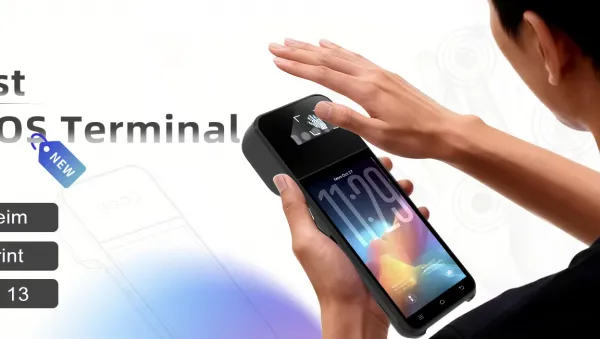
 Z92P Contactless Palm Vein Payment POS Receipt Printer Handheld 4G 1D 2D QR NFC Thermal Printer With 5.0MP Camera,for Supermarket Small BusinessUS$ 219 - 260MOQ: 1 Unit
 -
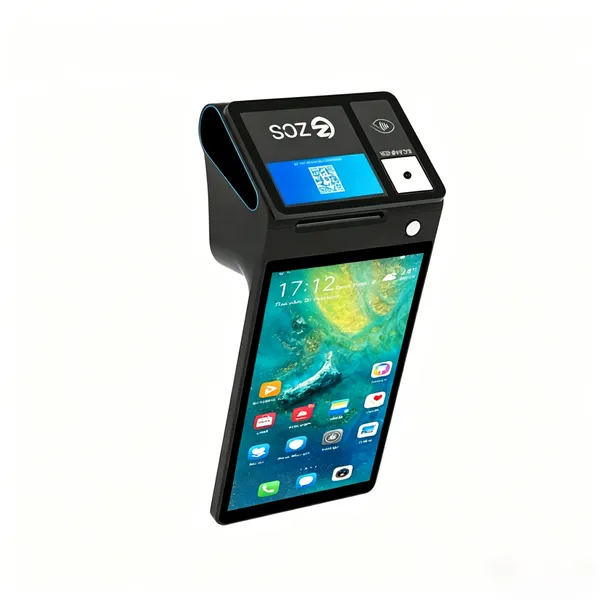
ZONS Thermal POS Receipt Printer, Handheld POS Terminal With 3.95 Inch Touchable Customer-ScreenThermal Printing for Retail Stores SUNMI/ZONSUS$ 219 - 369MOQ: 1 Unit
-
Marhynchus POS Receipt Printer Handheld Thermal Printer Handheld Point of Sale With NFC + Professional Barcode Scanner. 4G Network, 3GB Ram+32GB ROMUS$ 219 - 369MOQ: 1 Unit
-
Z108 New Release Android POS Cash Register, Receipt Printer Android 14 and 58mm Thermal Printer 5.5’ Touch Screen With Global Retail POS SoftwareUS$ 219 - 369MOQ: 1 Unit
-
POS Terminal Receipt Printer 2.26/3.95 Inch Customer Screen Android 14 Support 4G:FDD-LTE,TD-LTE 3G: WCDMA 2G: GSM,GPRS Hot Spot 3GB Ram +16GB ROM&NFCUS$ 219 - 369MOQ: 1 Unit
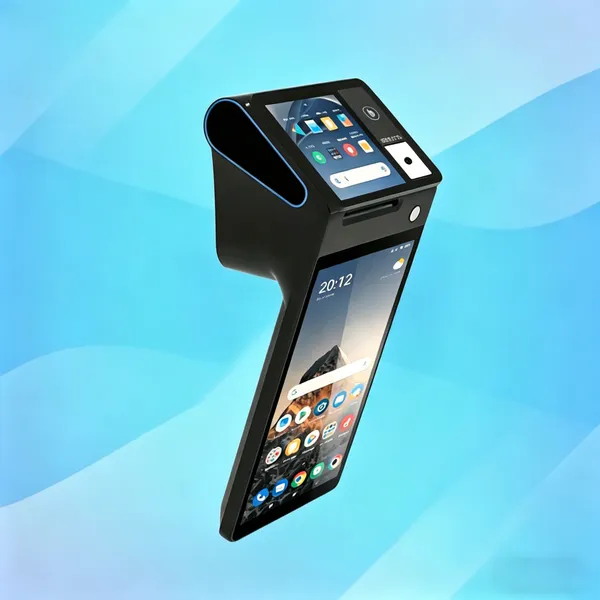
-
Z108P Handheld Printer Mobile POS Machine 5.5\" Touch Screen 58mm Thermal Printer for Warehouse Inventory Logistics Retail POS SystemUS$ 219 - 309MOQ: 1 Unit
-
Z108P Contactless Palm Vein Biometric POS Terminal Handheld PDA Printer Mobile POS Machine Terminal Printer Android 14 Built-in Google Play and NFCUS$ 219 - 309MOQ: 1 Unit
-
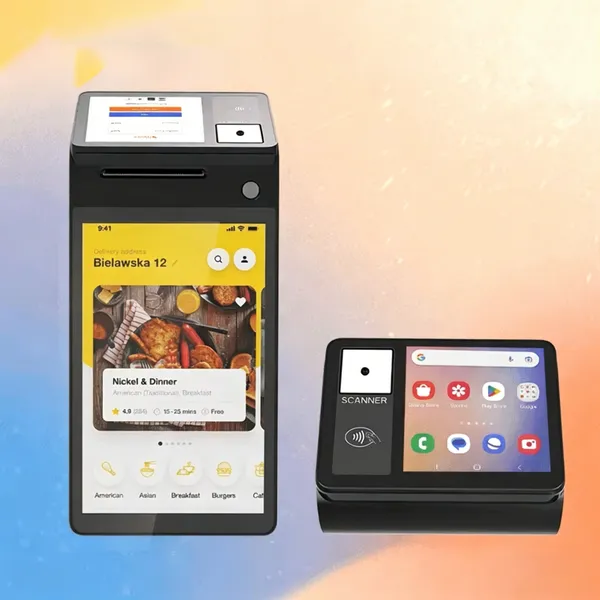
Z108P New Dual Screen Palm Vein POS, PDA Thermal Receipt Printer 5.6\" High Resolution and Clear Touch Screen Thermal Printer NFC for Chain RestaurantUS$ 219 - 309MOQ: 1 Unit
-
All-in-One Desktop Biometric Payment Barcode Scanner 2D 1D Handheld POS Terminal 5.5-inch Touchscreen PDA for Beauty & Clothing Chain StoreUS$ 219 - 309MOQ: 1 Unit
-
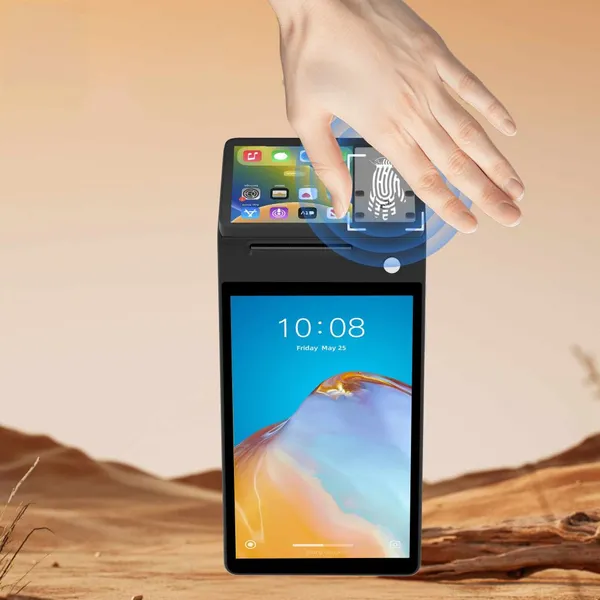
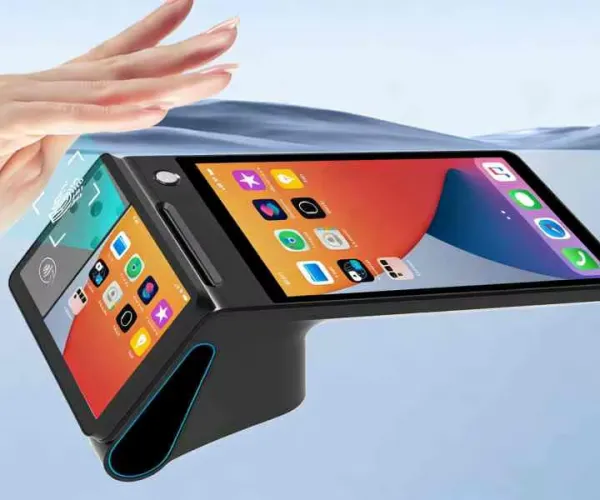
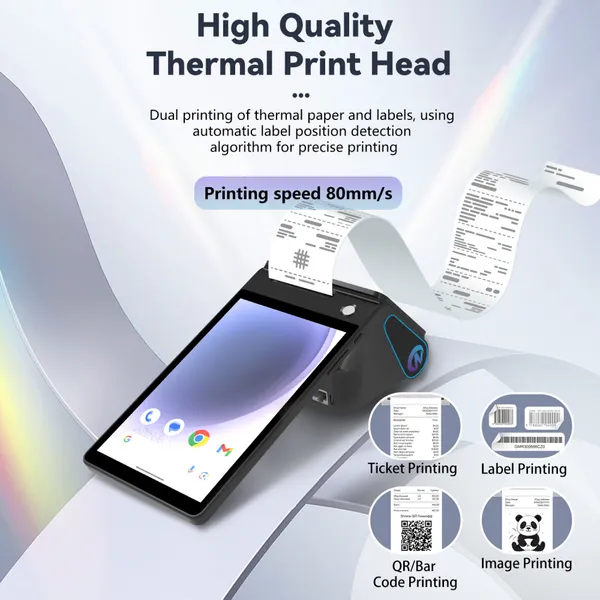
Z108P Secure Palm Vein POS System,Dual SIM PSAM Slot Multi-Port Terminal,EMV CE FCC Certified for Large Retail & Catering Business Handheld/DesktopUS$ 219 - 309MOQ: 1 Unit
-
Z92P Palm Vein Handheld POS Terminal, Android13 All-in-One Machine POS PDA Receipt/Label Printer,Symcode Android 14 Handheld POS Printer 3GB+32GBUS$ 219 - 260MOQ: 1 Unit
-
Z92P Portable Biometric POS Cash Register Receipt Printer, Handheld 4G PDA Terminal for Android 14 1D 2D Barcode Scanner Handhold POSUS$ 219 - 260MOQ: 1 Unit
-
Handheld Mobile POS PDA Terminal, 58mm Receipt Printer, WiFi Bluetooth, Perfect to Manage Queues, Online, Mobile & Takeaway OrdersUS$ 219 - 260MOQ: 1 Unit
-
Generic Handheld POS Receipt Printer High Speed 58/80mm Thermal Printer for Efficient Operation, Ideal for Retail Shops,Warehouse ManagementUS$ 219 - 369MOQ: 1 Unit
-
Hard Case Compatible With Square Handheld - Portable POS - NFC Machine Point of Sale Card Reader Travel Case (Black) Z108US$ 219 - 369MOQ: 1 Unit
-
PDA Handheld POS Terminal, 4G WiFi BT Mobile Computer With NFC, 3600mAh Battery, for Warehouse Inventory Logistics Retail POS, Desktop POSUS$ 219 - 369MOQ: 1 Unit
-
Hilitand Thermal POS Receipt Printer, Handheld POS Terminal With 3.95 Inch Touchable Customer-ScreenThermal Printing for Retail Stores SUNMI/ZONSUS$ 219 - 369MOQ: 1 Unit
-
POS PDA Receipt Printer Android 14 and 58mm High Speed Thermal Printer 8'' Touch Screen. Handheld Mobil Point of Sale Tablet Support 5GUS$ 219 - 369MOQ: 1 Unit
-
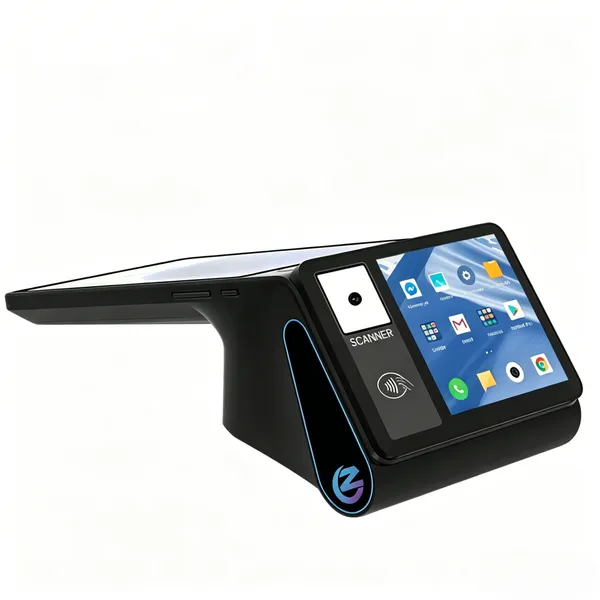
Desktop POS Terminal, 8 Inch HD Screen 88mm Thermal Printer 3600 MAh Android POS Compatible With Loyverse IREAP for Retail RestaurantUS$ 219 - 369MOQ: 1 Unit
-
Handheld PDA Printer Smart POS Terminal Portable Printers Intelligent Payment Terminal Function BT/WiFi/USB OTG/ 3G CommunicationUS$ 219 - 369MOQ: 1 Unit