 Business License

Inside a POS Factory: How Quality Control Ensures Product Reliability
Introduction
When customers purchase a POS terminal, they usually see only the finished product.
They see:
The screen
The design
The functions
The user interface
However, behind every reliable POS device is a complex manufacturing process involving design, assembly, testing, and quality inspection.
For a professional POS hardware manufacturer, quality is not created at the final stage. It is built into every step of production.
A reliable POS terminal must pass multiple quality checks before reaching customers worldwide.
So, what happens inside a POS factory?
Let’s take a look at the complete manufacturing journey.
Step 1: Product Design and Engineering Preparation
Before production begins, engineers carefully design the POS terminal.
The design process considers:
Hardware structure
Component placement
Heat management
Durability
User experience
Engineers need to ensure that every component works together smoothly.
Important factors include:
Processor performance
Display quality
Printer integration
Scanner module compatibility
Communication stability
Good design creates the foundation for reliable products.
Step 2: Component Quality Inspection
A POS terminal contains many electronic components.
Before assembly, factories inspect incoming materials.
Common inspection items include:
Motherboards
Displays
Batteries
Touch panels
Printers
Cables
Electronic components
Only qualified materials move into production.
This step helps prevent quality issues caused by defective components.
Step 3: Precision Assembly Process
During assembly, skilled workers and production equipment combine different components into a complete POS terminal.
The process may include:
Installing the motherboard
Connecting internal cables
Installing screens
Fixing printers
Assembling external housing
Every step follows production standards to ensure consistency.
Step 4: Hardware Function Testing
After assembly, each POS device must pass functional testing.
Engineers check:
Display
Touch accuracy
Brightness
Response speed
Printer
Printing quality
Paper feeding
Cutting function
Scanner
Barcode recognition
Scanning speed
Connectivity
Wi-Fi
Bluetooth
Network connection
Only devices that pass testing continue to the next stage.
Step 5: Aging Test
One of the most important quality control processes is aging testing.
POS terminals often operate continuously in real business environments.
Therefore, factories simulate long working hours to check:
System stability
Hardware durability
Heat performance
Aging testing helps identify hidden problems before shipment.
Step 6: Software and System Verification
Modern POS terminals are smart devices.
Before delivery, factories verify:
Operating system performance
Application compatibility
Hardware communication
System stability
This ensures customers receive devices ready for deployment.
Step 7: Final Inspection Before Shipment
Before products leave the factory, quality teams perform final inspections.
They check:
Product appearance
Accessories
Packaging
Labels
Customer requirements
This final step ensures every shipment meets quality expectations.
Why Factory Quality Control Matters
For businesses, poor-quality POS hardware can create serious problems:
Payment interruptions
Customer complaints
Higher maintenance costs
Negative brand reputation
A reliable manufacturing process reduces these risks.
Good quality control provides:
Stable product performance
Lower failure rates
Better customer experience
Long-term business value
Beyond Quality: Building Customer Trust
For international customers, purchasing POS hardware requires confidence.
They need to know:
Can the factory deliver stable products?
Can it support customization?
Can it solve technical problems?
Can it provide long-term cooperation?
A professional factory builds trust through transparent production processes and
consistent product quality.
Conclusion
A reliable POS terminal is not created by accident.
It is the result of:
Professional engineering
Careful material selection
Precise assembly
Strict testing
Continuous improvement
Behind every successful POS product is a manufacturing team dedicated to quality.
For global businesses looking for stable POS hardware solutions, choosing a factory with strong quality control capability is the first step toward long-term success.
Recently Posted
-
The Growth of Mobile POS in Global Markets: Why Portable Payment Solutions Are Becoming the Future
July 24, 2026IntroductionThe way businesses accept payments is changing rapidly.In the past, customers usually had to walk to a fixed checkout Read More
 -
Why Android POS Is Replacing Traditional POS Systems
July 24, 2026IntroductionFor many years, traditional POS systems dominated the retail and hospitality industries.Businesses relied on fixed ter Read More
 -
POS Market Trends 2026: What Businesses Need to Know
July 24, 2026IntroductionThe global POS market is experiencing significant transformation.For decades, POS terminals were mainly used as simple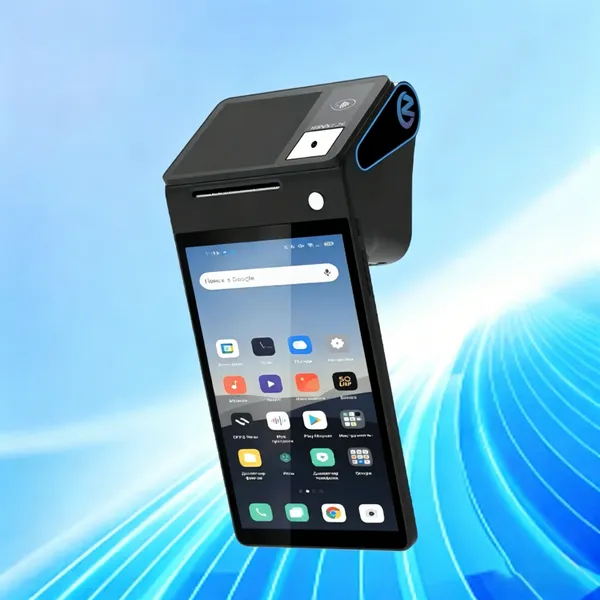 Read More
 -
Why Global Businesses Choose Professional POS Hardware Suppliers
July 23, 2026IntroductionThe global POS market continues to grow as businesses increasingly adopt digital payment and smart management solution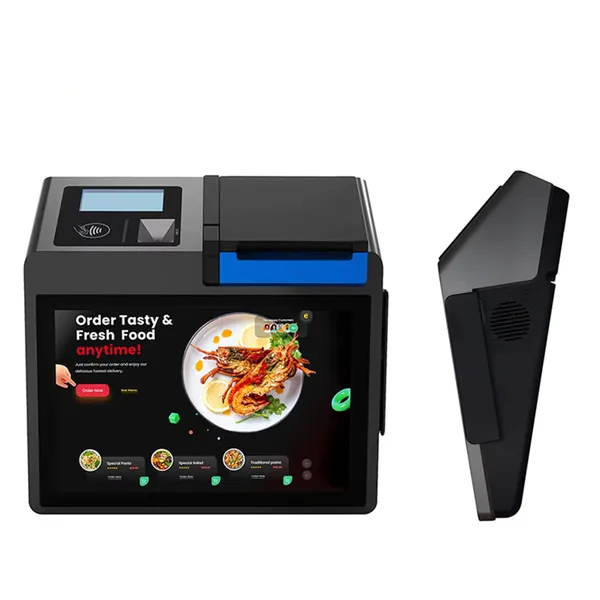 Read More

Contact Us
Recommended Products
-
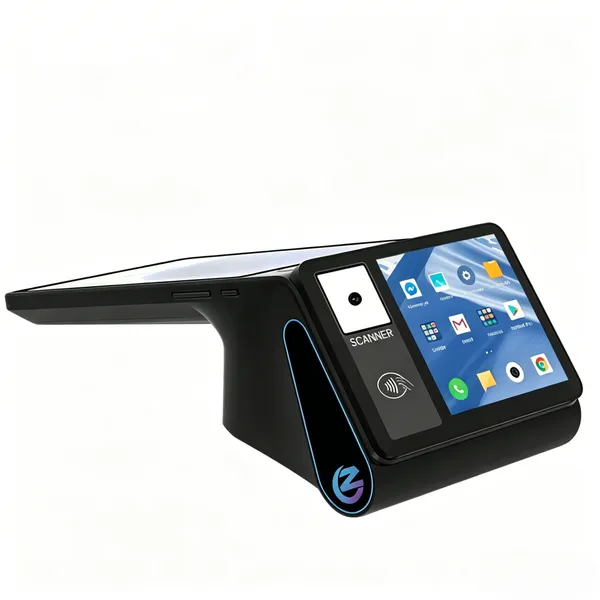
 Z92P Contactless Palm Vein Payment POS Receipt Printer Handheld 4G 1D 2D QR NFC Thermal Printer With 5.0MP Camera,for Supermarket Small BusinessUS$ 219 - 260MOQ: 1 Unit
 -
ZONS Thermal POS Receipt Printer, Handheld POS Terminal With 3.95 Inch Touchable Customer-ScreenThermal Printing for Retail Stores SUNMI/ZONSUS$ 219 - 369MOQ: 1 Unit
-
Marhynchus POS Receipt Printer Handheld Thermal Printer Handheld Point of Sale With NFC + Professional Barcode Scanner. 4G Network, 3GB Ram+32GB ROMUS$ 219 - 369MOQ: 1 Unit
-
Z108 New Release Android POS Cash Register, Receipt Printer Android 14 and 58mm Thermal Printer 5.5’ Touch Screen With Global Retail POS SoftwareUS$ 219 - 369MOQ: 1 Unit
-
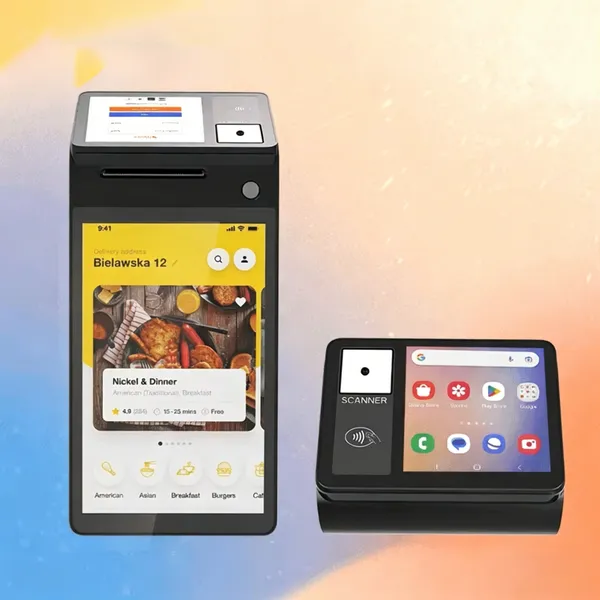
POS Terminal Receipt Printer 2.26/3.95 Inch Customer Screen Android 14 Support 4G:FDD-LTE,TD-LTE 3G: WCDMA 2G: GSM,GPRS Hot Spot 3GB Ram +16GB ROM&NFCUS$ 219 - 369MOQ: 1 Unit

-
Z108P Handheld Printer Mobile POS Machine 5.5\" Touch Screen 58mm Thermal Printer for Warehouse Inventory Logistics Retail POS SystemUS$ 219 - 309MOQ: 1 Unit
-
Z108P Contactless Palm Vein Biometric POS Terminal Handheld PDA Printer Mobile POS Machine Terminal Printer Android 14 Built-in Google Play and NFCUS$ 219 - 309MOQ: 1 Unit
-
Z108P New Dual Screen Palm Vein POS, PDA Thermal Receipt Printer 5.6\" High Resolution and Clear Touch Screen Thermal Printer NFC for Chain RestaurantUS$ 219 - 309MOQ: 1 Unit
-
All-in-One Desktop Biometric Payment Barcode Scanner 2D 1D Handheld POS Terminal 5.5-inch Touchscreen PDA for Beauty & Clothing Chain StoreUS$ 219 - 309MOQ: 1 Unit
-
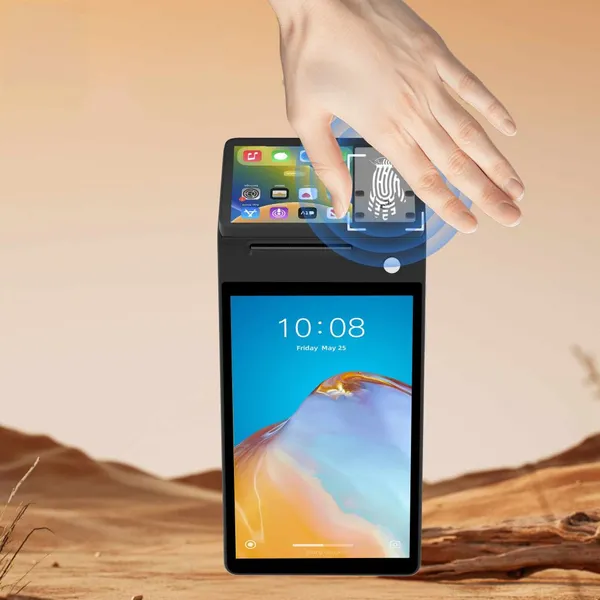
Z108P Secure Palm Vein POS System,Dual SIM PSAM Slot Multi-Port Terminal,EMV CE FCC Certified for Large Retail & Catering Business Handheld/DesktopUS$ 219 - 309MOQ: 1 Unit
-
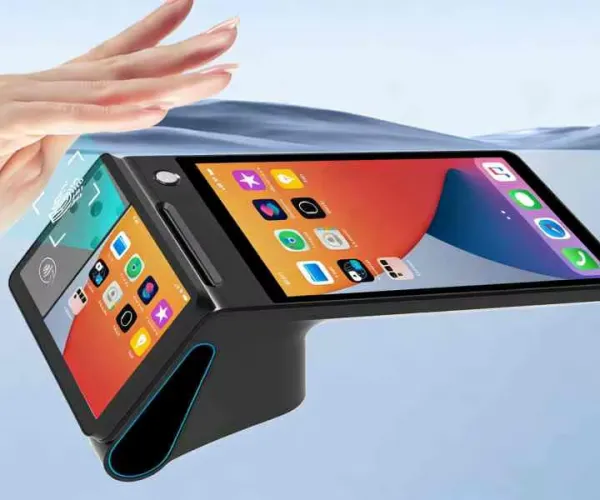
Z92P Palm Vein Handheld POS Terminal, Android13 All-in-One Machine POS PDA Receipt/Label Printer,Symcode Android 14 Handheld POS Printer 3GB+32GBUS$ 219 - 260MOQ: 1 Unit
-
Z92P Portable Biometric POS Cash Register Receipt Printer, Handheld 4G PDA Terminal for Android 14 1D 2D Barcode Scanner Handhold POSUS$ 219 - 260MOQ: 1 Unit
-
Handheld Mobile POS PDA Terminal, 58mm Receipt Printer, WiFi Bluetooth, Perfect to Manage Queues, Online, Mobile & Takeaway OrdersUS$ 219 - 260MOQ: 1 Unit
-
Generic Handheld POS Receipt Printer High Speed 58/80mm Thermal Printer for Efficient Operation, Ideal for Retail Shops,Warehouse ManagementUS$ 219 - 369MOQ: 1 Unit
-
Hard Case Compatible With Square Handheld - Portable POS - NFC Machine Point of Sale Card Reader Travel Case (Black) Z108US$ 219 - 369MOQ: 1 Unit



-
PDA Handheld POS Terminal, 4G WiFi BT Mobile Computer With NFC, 3600mAh Battery, for Warehouse Inventory Logistics Retail POS, Desktop POSUS$ 219 - 369MOQ: 1 Unit
-
Hilitand Thermal POS Receipt Printer, Handheld POS Terminal With 3.95 Inch Touchable Customer-ScreenThermal Printing for Retail Stores SUNMI/ZONSUS$ 219 - 369MOQ: 1 Unit
-
POS PDA Receipt Printer Android 14 and 58mm High Speed Thermal Printer 8'' Touch Screen. Handheld Mobil Point of Sale Tablet Support 5GUS$ 219 - 369MOQ: 1 Unit
-
Desktop POS Terminal, 8 Inch HD Screen 88mm Thermal Printer 3600 MAh Android POS Compatible With Loyverse IREAP for Retail RestaurantUS$ 219 - 369MOQ: 1 Unit
-
Handheld PDA Printer Smart POS Terminal Portable Printers Intelligent Payment Terminal Function BT/WiFi/USB OTG/ 3G CommunicationUS$ 219 - 369MOQ: 1 Unit